
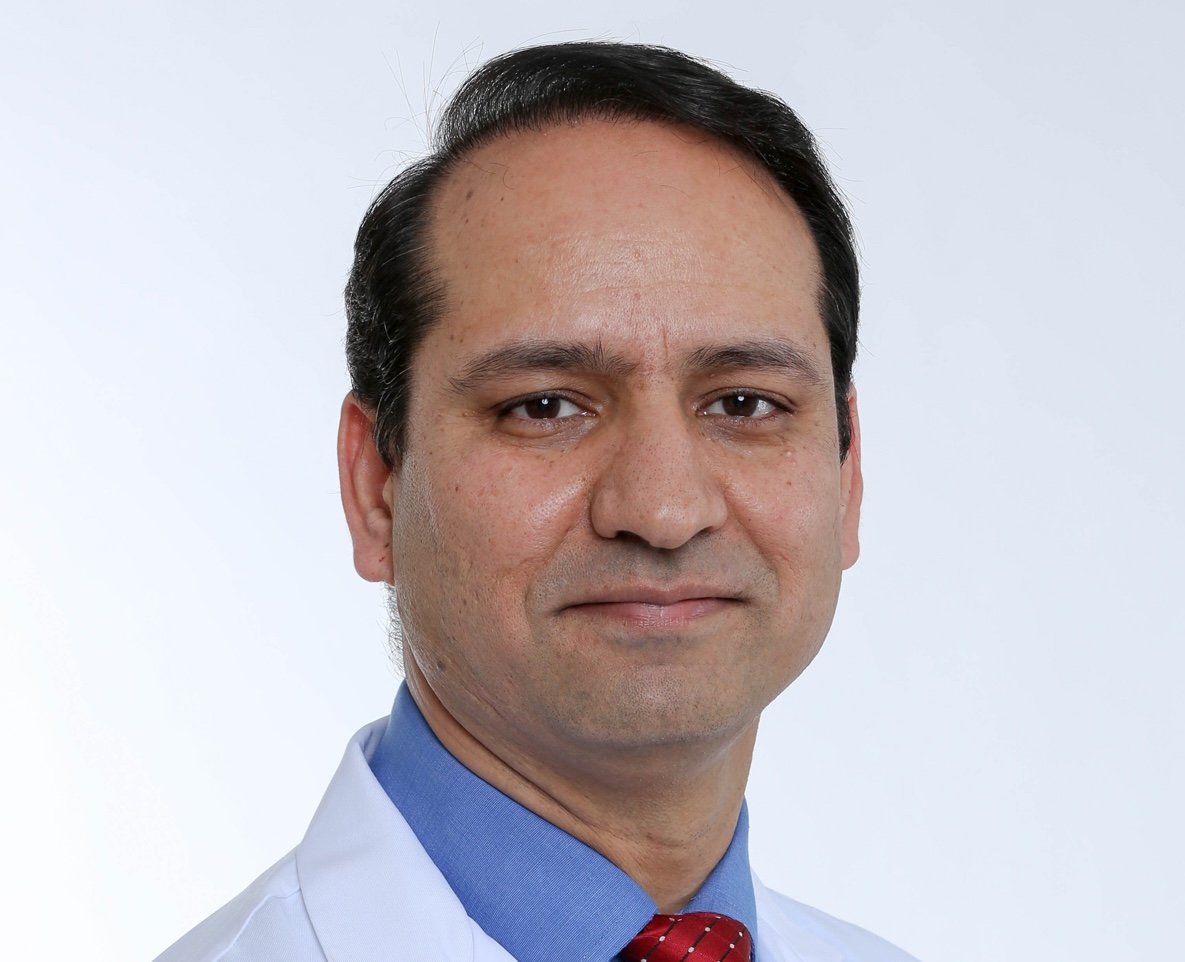
Name: Burhan Dhar CPO
Role: Manager/ Head of Orthotic & Prosthetic Services
Institution: King Faisal Specialist Hospital & Research Center
Country: Riyadh, Saudi Arabia
Years in O&P / rehabilitation: 30 years practice in Orthotics & Prosthetics (35 Years total association with O&P )
Clinical / teaching focus: Residency Director & Mentor for NCOPE, USA/ Prosthetic & Orthotic Clinician
Main area of interest: Area of interest is technological advancement and digitalization in O&P practice
Section A: Background and leadership
What first drew you into prosthetics, orthotics, or rehabilitation?
I was introduced to Prosthetic and Orthotic field by a practicing relative. what drew me to Prosthetics and Orthotics was the opportunity to combine clinical care with technical innovation to help people regain mobility and independence. I found it incredibly rewarding to see how customized prosthetic and orthotic solutions can transform a patient’s quality of life. Over the years, that passion has grown into a commitment not only to patient care but also to improving services, developing teams, and ensuring the highest standards of clinical outcomes for our patients
What does your current role involve day to day?
In my current role is to lead and support the entire department’s staff. On a daily basis, I oversee patient service delivery, manage staff schedules and workloads, provide clinical guidance when needed, and ensure that our operations run efficiently. A significant part of my role is ensuring that our patients receive timely, effective, and patient-centered care while fostering a positive and productive work environment.”
How would you describe the mission of your department or programme?
Our mission is to help patients achieve the highest possible level of function, mobility, and independence through comprehensive prosthetic and orthotic services. We focus on providing safe, effective, and personalized care while maintaining high clinical standards. As a team, we strive to improve patient outcomes, support rehabilitation goals, and continuously enhance our services through innovation, education, and quality improvement
Section B: Learning from experience
What has been the most important lesson you have learned as a department head or educator?
The most important lesson I have learned as a leader is that successful patient outcomes depend on a strong and engaged team. Early in my career, I focused primarily on technical and clinical excellence, but I have learned that investing in people, supporting their development, and creating a collaborative environment has the greatest impact. When staff members feel valued, empowered, and accountable, both team performance and patient care improve significantly.
What mistakes or false assumptions taught you the most early in your leadership journey?
One of the biggest lessons I learned early in my leadership journey was realizing that technical expertise alone does not make someone an effective leader. As a clinician, I was accustomed to solving complex patient-care problems, and I initially assumed that the same approach would work in leadership. However, I learned that leading a department is more about building trust, developing people, and creating a collaborative environment than personally solving every issue. By learning to delegate, listen actively, and empower staff, I was able to strengthen the team and ultimately improve both operational performance and patient outcomes
What advice would you give to younger clinicians who want to move into teaching or departmental leadership?
I would advise younger clinicians to focus on leading by example, maintaining high clinical standards, and building strong relationships with their colleagues. Effective leadership comes from earning trust, supporting your team, and helping others develop their skills. The most successful leaders are those who create an environment where the entire team can grow, contribute, and deliver the best possible care for patients.
Section C: Building people and systems
What are the biggest gaps you see in current O&P education or clinical training?
The biggest gaps I see are in leadership development, multidisciplinary collaboration, and translating classroom knowledge into real-world clinical practice. Technical skills are essential, but clinicians also need strong communication, decision-making, and teamwork skills. As healthcare continues to evolve, training programs should place greater emphasis on evidence-based practice, emerging technologies, and developing future leaders within the profession.
How do you help students or junior staff move from theory to confident clinical decision-making?
I help students and junior staff move from theory to clinical decision-making by combining observation, hands-on experience, guided discussion, and regular feedback. I lead by example, encourage critical thinking, and gradually increase their level of responsibility. My goal is to develop clinicians who are not only technically competent but also confident in their clinical reasoning and decision-making.
What skills do you believe are still under-taught in today’s training environment?
The skills I see as under-taught are clinical reasoning, communication and teamwork. Technical competence is essential, but successful clinicians also need to think critically, collaborate effectively and continuously adapt to new technologies and evidence-based practices. These skills are what ultimately help clinicians grow into confident practitioners and future leaders.
Section D: Future challenges
What do you see as the biggest challenge facing O&P departments over the next five years?
The biggest challenge will be managing increasing demand for services while developing and retaining a skilled workforce. In addition, O&P departments must adapt to rapidly advancing technologies without losing sight of patient-centered care. Success will depend on strong leadership, continuous staff development, and the ability to integrate innovation such as 3D printing into everyday clinical practice.
How should educators prepare students for a future shaped by digital workflows, AI, and advanced manufacturing?
Educators should prepare students by combining strong clinical fundamentals with hands-on exposure to digital workflows, AI, and advanced manufacturing technologies. While technology will continue to evolve, clinical reasoning, patient communication, and professional judgment will remain essential. The most important skill we can teach students is how to adapt, continue learning, and use technology to enhance patient care rather than replace the human element of our profession.
What changes are needed to build stronger rehabilitation services in your country or region?
I believe to strengthen rehabilitation services, we need to invest in workforce development, promote multidisciplinary collaboration, and improve access to care. We should also address operational barriers such as lengthy regulatory processes and procurement delays, which can impact timely patient care. By combining strong clinical teams, efficient systems, and innovative technologies, we can improve both service delivery and patient outcomes
Section E: Personal perspective
What part of your work gives you the greatest satisfaction?
What gives me the greatest satisfaction is seeing the difference our work makes in patients’ lives and watching our team grow and succeed. Helping patients regain mobility and independence is extremely rewarding, and as a team leader, I also take pride in mentoring staff, building a strong team, and creating an environment where clinicians can provide the highest standard of care.
What keeps you optimistic about the future of the profession?
What keeps me optimistic is the combination of advancing technology and the talented people entering our profession. Innovations such as digital workflows and advanced prosthetic and orthotic technologies are improving patient care, while the next generation of clinicians brings new energy and ideas. Most importantly, our profession continues to make a meaningful difference in people’s lives, and that purpose will always remain relevant
What is one change you would most like to see in the IMEA O&P sector?
The one change I would most like to see in the IMEA O&P sector is stronger regional collaboration and standardization. This includes improving education and workforce development, sharing best practices, adopting new technologies, and reducing barriers such as regulatory hurdles and procurement delays that can impact patient care. By working together, we can improve access, efficiency, and outcomes for patients throughout the region.
Fast Five
Best Advice – Focus on people first, and performance will follow.
Best Resource – One resource I would recommend is the Journal of Prosthetics and Orthotics (JPO). but some of the most valuable lessons in Orthotics and Prosthetics come from observing experienced clinicians, discussing challenging cases, and learning how they approach patient care, communication, and decision-making.
One skill to Master – Clinical reasoning. The ability to evaluate a patient, think critically, and make informed clinical decisions is the skill that underpins everything else in our profession.
Biggest current frustration in the sector – My biggest frustration is the delays that can occur due to administrative, regulatory, and procurement processes. I would like to see more efficient processes that maintain quality and compliance while enabling faster, more patient-centered care.”
One reason to stay hopeful – What gives me hope is the next generation of clinicians. I see young professionals who are motivated, adaptable, and eager to learn. Combined with the rapid advancements in technology, I believe the future of Orthotics and Prosthetics is full of opportunities to improve patient outcomes and expand the reach of our services.