
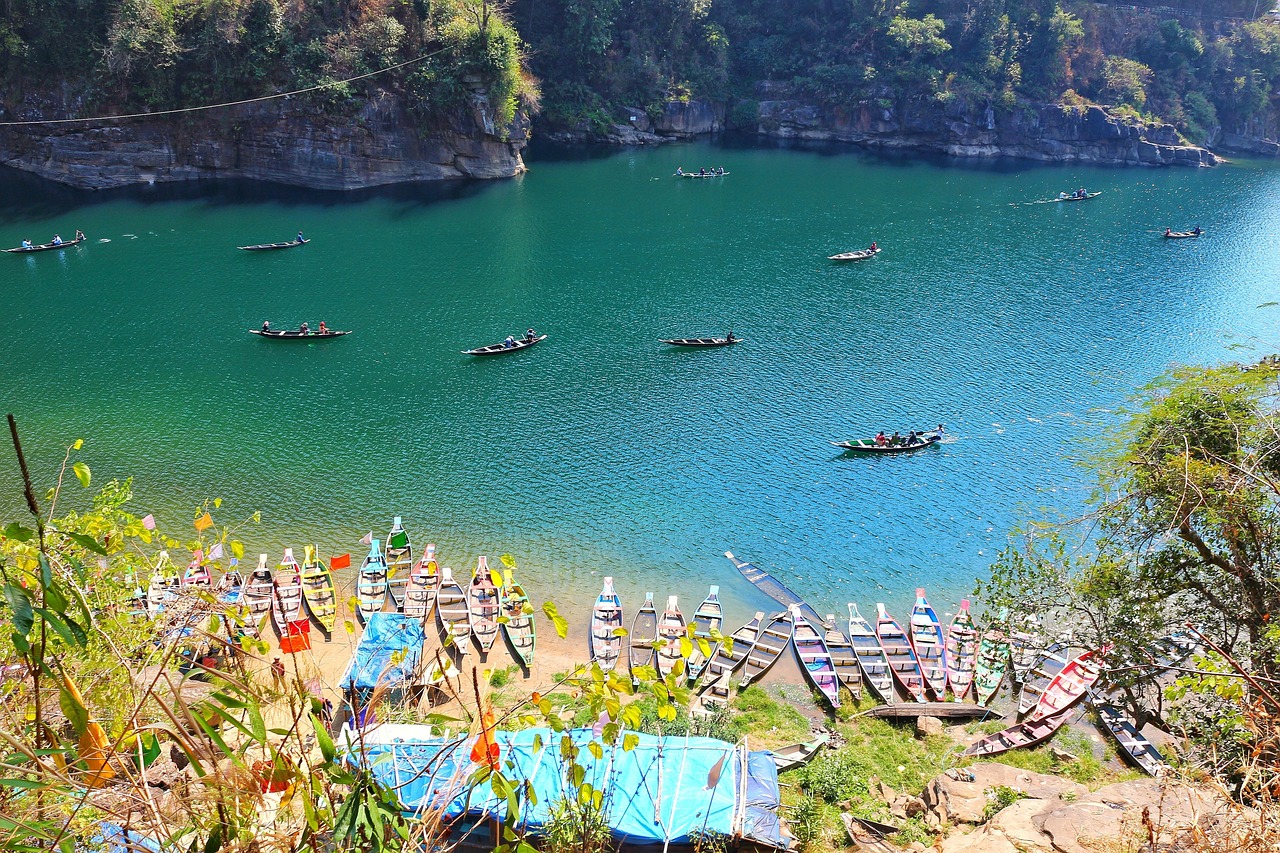
Meghalaya, the “Abode of Clouds,” is a state of dramatic geography and profound rehabilitation needs. Its challenging terrain, high poverty rates, and significant shortage of medical professionals create a complex environment for delivering prosthetic and orthotic (P&O) care. However, recent initiatives leveraging advanced technology signal a strong commitment to overcoming these hurdles and building a more inclusive rehabilitation landscape .
The Geography of Need: Terrain, Demographics, and Disability
Meghalaya’s identity is defined by its hills and heavy rainfall, which directly impacts healthcare accessibility.
- A State of Hills and Valleys: The state comprises three main hill systems—the Garo, Khasi, and Jaintia Hills—with its capital, Shillong, located in the East Khasi Hills district . It shares international borders with Bangladesh to the south and a border with Assam to the north and east, making it a vital part of the Northeast region . The region includes Mawsynram and Cherrapunji, some of the wettest places on earth, which, while creating a unique ecosystem, also leads to frequent road damage, landslides, and isolation of rural communities, particularly during the monsoon season .
- A Young, Rural Population: With over 80% of its population living in rural areas, Meghalaya is predominantly agrarian . The state is home to a significant Scheduled Tribe population (over 86%), with a unique matrilineal social structure . However, it also faces severe developmental challenges. It is among India’s top three multidimensionally poor states, with rural poverty being twice that of urban areas . This economic vulnerability is a key barrier to accessing quality healthcare and assistive devices.
- The Burden of Health and Disability: The state’s health indicators paint a challenging picture. Its average life expectancy is significantly lower than the national average (62.3 vs. 68.8 years) . The Infant Mortality Rate (39 per 1,000 live births) and Under-Five Mortality Rate (40 per 1,000) are higher than the national averages .
- A Critical Specialist Shortage: A major impediment to all healthcare, including P&O, is the severe shortage of medical professionals. The state has a 50% deficit of medical professionals in its hospitals , with 139 specialist posts lying vacant . This shortage is even more acute in regions like Garo Hills, which requires over 90 medical specialists but has only 54 . This systemic gap highlights the immense pressure on existing services and the urgent need for specialized P&O professionals.
- Premature Non-Communicable Diseases (NCDs): An estimated 64.1% of all NCD deaths in the state are premature, increasing the potential need for P&O interventions related to complications from conditions like diabetes or cardiovascular diseases .
P&O Infrastructure and Key Initiatives
Despite these challenges, Meghalaya is making strides to modernize its rehabilitation sector, focusing on partnerships and technological innovation.
- A Hub for Tech-Driven Rehabilitation: The state has taken a significant leap forward with the launch of a two-day hands-on training programme on 3D prosthetic technology in Shillong . Organised by the Office of the Commissioner for Persons with Disabilities in collaboration with the Pt. Deendayal Upadhyaya National Institute for Persons with Physical Disabilities (PDUNIPPD) and Instalimb India Pvt Ltd, this initiative is designed to build technical expertise in 3D scanning, digital design, and artificial intelligence for assistive device manufacturing . A key feature of the programme was the fitting and distribution of 3D-printed artificial limbs to 12 amputees .
- Key Institutions and Tertiary Care: The state is home to the North Eastern Indira Gandhi Regional Institute of Health & Medical Sciences (NEIGRIHMS), a premier tertiary care institute in Shillong. While it offers state-of-the-art facilities, the Health Minister has recently noted that local patients are not fully utilizing its services, prompting efforts to increase awareness, address language barriers, and improve outreach . NEIGRIHMS has expansion plans that include a De-addiction and Rehabilitation Centre, which could potentially include P&O services .
- Government Commitment to Accessibility: The Meghalaya government, through its Social Welfare Department, has demonstrated a clear commitment to the cause of disability. The Minister for Social Welfare has reiterated the state’s dedication to ensuring equality, dignity, and social inclusion for persons with disabilities, highlighting various welfare measures, including scholarships, assistive devices, and transport assistance .
The Future of P&O in Meghalaya
The path forward for P&O in Meghalaya lies in scaling up recent successes and addressing systemic challenges.
- Scaling Technology and Building Capacity: The 3D prosthetic training programme represents a pivotal moment. The state’s focus on building local capacity in advanced manufacturing techniques is a strategic move to make affordable, customized P&O solutions accessible in remote areas . Expanding this model and creating a self-sustaining ecosystem of trained professionals will be critical.
- Overcoming Infrastructural and Manpower Hurdles: The severe shortage of specialist doctors and the unreliable electricity supply in rural areas pose significant challenges for setting up and running P&O centers . Addressing these infrastructural deficits is a prerequisite for expanding services. Furthermore, upgrading Primary Health Centres (PHCs) and Community Health Centres (CHCs) to include basic P&O services could help decentralize care and reduce the need for long travel .
- Strengthening Partnerships: The collaborative model seen in the recent training programme—involving government, a national institute, and a private sector innovator—is a template for success. Continued partnerships with NGOs, private companies, and international organizations will be essential to bring in expertise, technology, and funding to overcome the state’s inherent challenges.
Conclusion
Meghalaya is at a crucial juncture in its journey to improve rehabilitation services. Its unique geography and pressing healthcare challenges demand innovative solutions. By championing cutting-edge technologies like 3D printing and fostering vital public-private partnerships, the state is demonstrating a clear path forward. The focus now must be on scaling these initiatives, building local expertise, and strengthening the underlying healthcare infrastructure to ensure that quality P&O care reaches every corner of this beautiful and resilient state.