
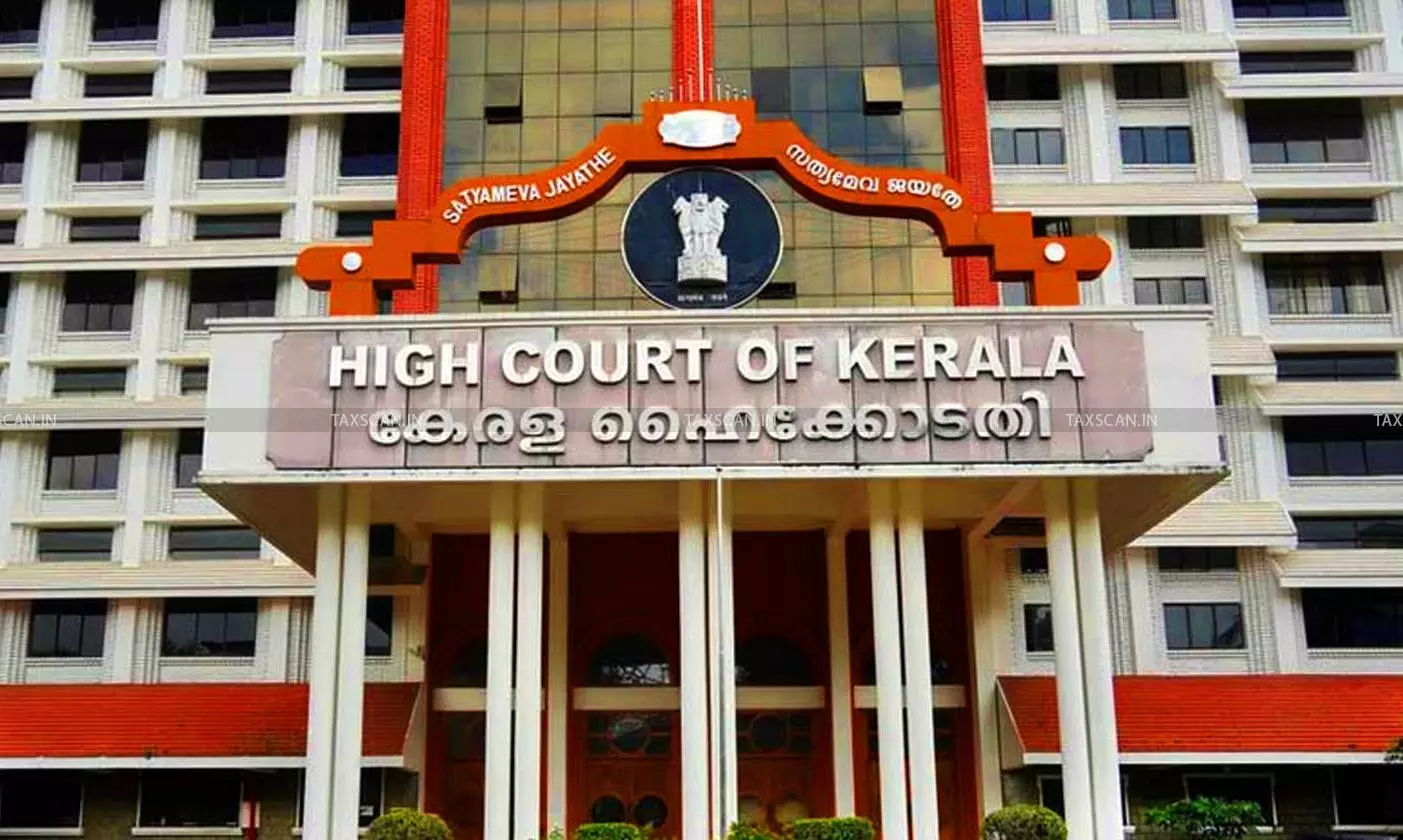
The Kerala High Court has delivered an important judgment for amputees, prosthetic users and rehabilitation professionals in India by recognising that a prosthetic limb is not a one-time medical expense. In a motor accident compensation case, the Court enhanced the award for a young amputee after finding that future prosthetic replacement, maintenance, physiotherapy and long-term adaptation must be considered when calculating “just compensation”.
The case, reported by The Legal Affair, concerned Ummer C.K. v. The Oriental Insurance Company Ltd., arising from MACA No. 949 of 2015. The judgment was delivered by Justice M.B. Snehalatha and has also been reported by LiveLaw as a significant ruling on prosthetic limb replacement and maintenance in motor accident compensation.
The appellant was 24 years old when he suffered severe injuries in a road accident involving a negligently driven car and the motorcycle on which he was travelling. His right leg had to be amputated above the knee. The Motor Accidents Claims Tribunal had earlier awarded approximately Rs. 19.55 lakhs, including Rs. 3,47,900 towards the cost of a prosthetic leg, but did not adequately account for the lifetime cost of replacement, maintenance and rehabilitation.
The High Court held that this approach was too narrow. A prosthetic limb is not like a single medical bill that can be settled once and forgotten. For an above-knee amputee, the device is part of daily mobility, work, independence and dignity. Sockets may need refitting, knees and feet may wear out, liners and components may require replacement, and the user may need ongoing physiotherapy, gait training and clinical review.
For India’s orthotics and prosthetics community, the judgment is important because it reflects the real clinical and financial journey of prosthetic users. The Court recognised that the claimant would require multiple prosthetic limbs during his lifetime and awarded Rs. 24 lakhs towards future replacement, calculated at Rs. 3 lakhs per limb for eight limbs, along with Rs. 6 lakhs towards periodic maintenance. This created a total award of Rs. 30 lakhs specifically for future prosthetic replacement and maintenance.
The Court also reassessed the claimant’s income. Although the appellant had claimed that he was working abroad as a coffee shop manager earning around Rs. 25,000 per month, the Tribunal had assessed his income at only Rs. 4,500 per month. The High Court found this unrealistic and recalculated the monthly income at Rs. 7,000, while also applying future prospects and an appropriate multiplier. Compensation for permanent disability was increased from Rs. 7,77,600 to Rs. 16,93,440.
The wider significance of the ruling lies in its recognition of dignity and functional independence. The Court noted that amputation affects much more than earning capacity. It impacts mobility, social confidence, marriage prospects, daily independence, emotional wellbeing and the ability to participate fully in life. This is an important legal acknowledgment of what prosthetists, orthotists, rehabilitation physicians, physiotherapists and occupational therapists see every day in clinical practice.
The judgment also aligns with recent Indian legal developments recognising the right to periodic prosthetic replacement. In April 2026, SCC Online reported a Supreme Court decision that accepted a five-year replacement cycle and a 70-year life expectancy model when calculating compensation for prosthetic limb needs. The Kerala High Court’s reasoning follows this broader direction: compensation should support long-term mobility, not merely reimburse the first prosthesis.
For BharatCPO readers, this judgment should be viewed as a major reminder that prosthetic provision is a lifelong rehabilitation commitment. Legal compensation, insurance frameworks and public-sector support schemes must account for the real cost of prosthetic care: assessment, fitting, alignment, training, repairs, component replacement, maintenance and periodic clinical follow-up.
This is especially relevant in India, where many amputees face major out-of-pocket costs and uneven access to prosthetic services. A person may receive a prosthesis after an accident, but without long-term funding for repairs and replacement, mobility can deteriorate over time. Poorly fitting or outdated prostheses can contribute to pain, skin breakdown, falls, reduced employment, social isolation and loss of confidence.
The Kerala High Court’s decision therefore goes beyond a single compensation dispute. It strengthens the argument that prosthetic limbs should be understood as essential assistive technology requiring planned lifetime support. For accident victims, this may improve the way claims are argued and assessed. For clinicians, it reinforces the importance of documenting realistic long-term prosthetic needs. For policymakers, it highlights the need to integrate rehabilitation and assistive technology costs into compensation, insurance and public health planning.
As India continues to modernise its rehabilitation and disability inclusion systems, this judgment offers a practical and humane principle: an amputee’s right to compensation should include the right to remain mobile, independent and dignified over a lifetime — not just immediately after surgery or discharge.
- Original Legal Affair article
- LiveLaw report on Kerala High Court prosthetic limb compensation ruling
- Verdictum report on Ummer C.K. v. The Oriental Insurance Company Ltd.
- SCC Online report on Supreme Court recognition of prosthetic limb replacement costs
- Kerala High Court official website
- Department of Empowerment of Persons with Disabilities, Government of India
- Artificial Limbs Manufacturing Corporation of India