
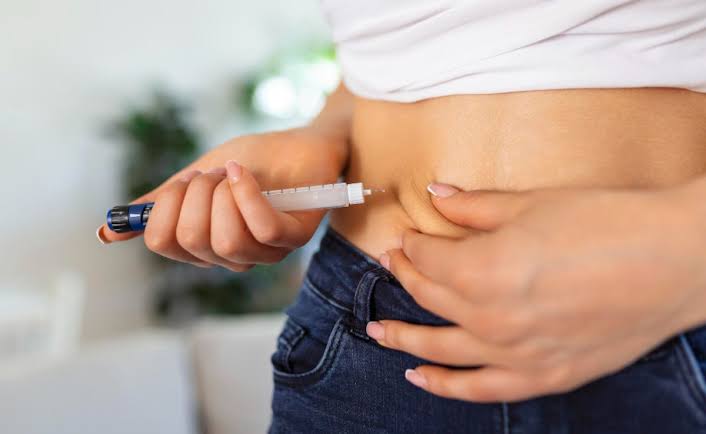
The increasing use of GLP-1-based medicines for diabetes and weight management is creating a new consideration for prosthetists: how to manage prosthetic fit while a patient is losing weight, sometimes rapidly.
Medicines in this expanding category can produce substantial changes in total body weight and body composition. For a person using a prosthesis, these changes may also affect the volume and shape of the residual limb.
A socket that was previously comfortable and stable can become loose, leading to increased sock use, repeated adjustments or eventual socket replacement. The issue was highlighted in a recent Amplitude article examining GLP-1 medicines and prosthetic fit.
For Indian CPOs, the subject is particularly relevant because of the country’s large population of people living with diabetes, obesity and lower-limb amputation.
What are GLP-1 medicines?
Glucagon-like peptide-1 receptor agonists were initially developed to improve blood-glucose management in people with type 2 diabetes. Some medicines in this class are now also prescribed for chronic weight management.
They work through several mechanisms, including increasing insulin release when blood glucose is elevated, reducing inappropriate glucagon secretion, slowing gastric emptying and affecting appetite.
The wider group commonly discussed as “GLP-1 medicines” includes products containing semaglutide and liraglutide. Tirzepatide acts on both GIP and GLP-1 receptors and is therefore not technically a GLP-1-only medicine, although it is often included in public discussion of the category.
These medicines must be prescribed and monitored by an appropriately qualified medical professional. A prosthetist should not advise a patient to begin, change or discontinue medication.
The CPO’s role is to recognise the potential implications for prosthetic management and communicate relevant observations to the patient and treating team.
Why weight loss changes socket fit
A prosthetic socket is shaped around the residual limb at a particular point in time. Its fit depends on the relationship between bone, muscle, subcutaneous tissue, skin, liner, suspension system and socket geometry.
When a patient loses significant weight, tissue volume may reduce around both the residual limb and the rest of the body. The degree and location of this change vary considerably between individuals.
Possible signs of volume loss include:
- Increasing space between the residual limb and socket
- A need for progressively thicker or additional prosthetic socks
- Excessive pistoning within the socket
- Rotation of the limb inside the prosthesis
- Reduced suspension security
- Distal-end discomfort
- Localised pressure over bony areas
- Skin irritation or breakdown
- Changes in gait and balance
- Reduced confidence while walking
In a transtibial prosthesis, loss of volume may reduce total contact and alter pressure distribution around the tibial crest, fibular head, distal tibia and other sensitive structures.
In a transfemoral prosthesis, changes in soft-tissue volume can affect containment, rotational control, suspension and the relationship between the socket and pelvis.
A patient may describe the problem simply as the prosthesis feeling “too big,” but the clinical implications can extend beyond comfort. Poor control inside the socket may increase instability, compensatory movement and the risk of falls.
Clinicians report more socket adjustments
The Amplitude report draws on the experience of Cassandra Delgado, a US board-certified prosthetist-orthotist and clinical director at Coyote Prosthetics.
Delgado reportedly surveyed 152 prosthetists during 2025. Approximately three-quarters said they had observed increased socket adjustments, warranty remakes or additional diagnostic sockets involving patients taking GLP-1 medicines.
The survey provides a useful indication of what clinicians are seeing in practice. However, it should be interpreted as clinician-reported information rather than a peer-reviewed controlled study. More formal research is needed to establish how frequently these medicines lead to clinically significant residual-limb change and which patients are most affected.
The underlying issue is also not exclusive to GLP-1 treatment. Socket fit can change following any substantial weight loss or gain, including changes associated with bariatric surgery, illness, rehabilitation, dietary intervention or reduced physical activity.
What makes GLP-1-related care notable is the growing number of patients losing meaningful amounts of weight over a relatively short period.
Management during active weight loss
When a patient is losing weight, the objective is to maintain safety and comfort while avoiding premature fabrication of a definitive replacement socket that may quickly become loose again.
Depending on the individual assessment, interim management may include:
- Adjusting prosthetic sock ply
- Adding carefully positioned socket pads
- Modifying the liner or interface
- Reviewing suspension
- Using an adjustable-volume socket where appropriate
- Fabricating a diagnostic or interim socket
- Scheduling more frequent follow-up
- Reviewing gait after each substantial adjustment
- Educating the patient about daily skin inspection
Sock management can accommodate limited day-to-day fluctuation, but an increasing number of socks should not become a substitute for clinical review. Excessive sock ply may alter pressure distribution, reduce control and change the intended relationship between the residual limb and socket.
A new socket may become necessary when adjustments can no longer maintain safe loading, suspension and control.
Clinicians should document the patient’s weight trend, residual-limb measurements, sock use, skin condition, symptoms and socket modifications. Photographs or digital scans may help track changes, provided appropriate consent and data protection are in place.
Components may also require review
The socket may not be the only part of the prosthesis affected by substantial weight change.
Many prosthetic feet, knees, pylons and adapters have manufacturer-defined weight limits or selection categories. A patient who moves into a different weight range may require a review of whether the existing component remains appropriate.
Weight loss does not automatically mean that a component must be replaced. The decision should consider the manufacturer’s instructions, patient weight, activity level, functional goals, safety factors and the condition of the existing prosthesis.
Mobility may also improve as body weight decreases and general health changes. This can alter walking speed, endurance and activity demands, potentially affecting the most appropriate prosthetic prescription.
Potential benefits should not be overlooked
Although weight loss can temporarily complicate prosthetic fitting, it may also offer important health and mobility benefits for some patients.
Lower body weight can reduce the energy required for walking and decrease loading on the sound-side hip, knee and foot. Improved diabetes management may support cardiovascular health and potentially reduce the risk of further diabetes-related complications.
The clinical message is therefore not that GLP-1 treatment is harmful to prosthesis users. It is that successful medical weight management may require proactive prosthetic management.
A multidisciplinary responsibility
Patients should be encouraged to inform their prosthetist when they begin a weight-management programme or experience significant weight change.
With the patient’s consent, communication may be required between the prosthetist, physician, endocrinologist, diabetes team, dietitian and physiotherapist. Important considerations include the rate of weight loss, nutritional status, muscle preservation, balance, exercise and skin health.
The patient should also be advised to seek an earlier prosthetic review if the socket begins slipping, rotating, causing pain or requiring rapidly increasing sock ply.
Implications for Indian CPO practice
India’s prosthetic services include government hospitals, private clinics, charitable fitment programmes and camp-based provision. Continuity of follow-up varies greatly between these settings.
A person fitted through a one-time camp may have difficulty obtaining socket adjustments as their weight changes. This makes it particularly important to provide clear information about where and how to obtain review, maintenance and replacement services.
Indian CPO education should also respond to the increasing use of metabolic medicines. Prosthetists do not need to prescribe or manage GLP-1 therapy, but they should understand how medication-associated changes in weight, hydration, appetite and body composition may influence prosthetic care.
The growth of GLP-1 treatment reinforces a familiar principle: the residual limb is not static, and a prosthetic prescription cannot be treated as a one-time transaction.
Proactive monitoring can help ensure that improvements in metabolic health are accompanied by a prosthesis that remains safe, comfortable and functionally appropriate.
- Amplitude: How GLP-1s Affect Prosthetic Fit
- World Health Organization: Diabetes
- US FDA: Approved Drug Product Labelling
- International Diabetes Federation
- Rehabilitation Council of India