
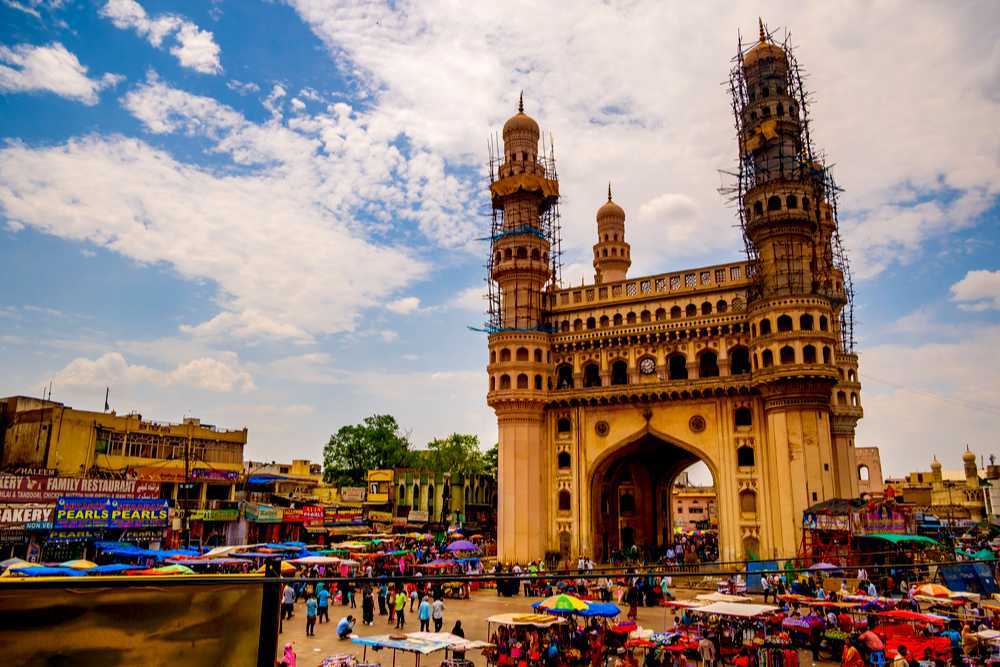
Telangana has the institutions, technology base and clinical expertise to become one of India’s leading centres for prosthetics, orthotics and rehabilitation.
Hyderabad and Secunderabad contain major public hospitals, specialist rehabilitation services, national disability institutions, private P&O providers, universities and a growing medical-technology sector. AIIMS Bibinagar is also emerging as an important centre for rehabilitation research and affordable prosthetic innovation.
The main challenge is extending these strengths beyond the Hyderabad metropolitan area. Patients in northern, eastern and southern districts may still travel long distances for specialist assessment, fabrication, fitting and rehabilitation. A device supplied through a government programme may also become unusable if local adjustment and repair services are unavailable.
Telangana’s next phase of P&O development should therefore focus on connecting its specialist centres with district hospitals, medical colleges, early-intervention services and community rehabilitation programmes.
State overview and demographics
Telangana was formed on 2 June 2014 following the reorganisation of Andhra Pradesh. According to the Government of Telangana’s state profile, the state covers 112,077 square kilometres and had a population of approximately 35 million at the 2011 Census.
It now has 33 districts. Hyderabad is the capital and dominant medical, educational and commercial centre, while Warangal, Karimnagar, Khammam, Nizamabad, Nalgonda and other regional cities provide important secondary healthcare capacity.
Approximately 61% of Telangana’s population was classified as rural in the 2011 Census. This rural distribution has significant implications for rehabilitation because advanced P&O services remain concentrated mainly in and around Hyderabad.
The state’s demand for prosthetic and orthotic care is influenced by:
- Road-traffic and occupational injuries
- Diabetes and vascular disease
- Agricultural injuries
- Cerebral palsy and developmental conditions
- Stroke and neurological disorders
- Spinal-cord injury
- Congenital limb differences
- Post-polio residual paralysis
- Arthritis and age-related mobility limitations
- Foot and ankle disorders
- Spinal deformity
For many patients, the challenge is not receiving an initial device. It is obtaining a complete pathway covering assessment, prescription, fitting, training, maintenance and long-term review.
Disability profile
Because Telangana was created after the 2011 Census, disability figures published at that time were originally organised under undivided Andhra Pradesh. This complicates direct comparison with states whose current boundaries were already established.
More recent administrative data provide a clearer indication of the scale of registered disability in Telangana. A March 2026 parliamentary response reported that 875,807 Unique Disability ID cards had been issued in the state.
UDID registration is important for certification and access to government programmes, but it does not measure the complete need for P&O care. Many people who could benefit from an orthosis, therapeutic insole or rehabilitation programme may not meet the threshold for disability certification.
Potential P&O demand includes people with:
- Limb loss following trauma, diabetes, vascular disease, cancer or infection
- Cerebral palsy and other childhood movement disorders
- Clubfoot and congenital limb differences
- Stroke, brain injury and spinal-cord injury
- Neuromuscular disorders
- Knee osteoarthritis and other musculoskeletal conditions
- Diabetic neuropathy, deformity or previous foot ulceration
- Scoliosis and other spinal conditions
- Age-related weakness and mobility impairment
- Multiple disabilities requiring seating or postural support
Telangana therefore needs a rehabilitation database that links disability certification with hospital diagnosis, functional requirements, device provision, repairs and clinical outcomes.
Hyderabad as the principal rehabilitation hub
Hyderabad has one of India’s largest concentrations of tertiary hospitals and rehabilitation professionals. It serves not only Telangana but also patients travelling from neighbouring states and other parts of India.
Public institutions, teaching hospitals, charitable organisations and private P&O clinics provide services ranging from conventional artificial limbs and orthoses to advanced components, gait training and digital fabrication.
However, this strength also creates geographic concentration. A patient from Adilabad, Bhadradri Kothagudem, Jayashankar Bhupalpally, Mulugu or another distant district may require several journeys to Hyderabad for assessment, casting, fitting and adjustment.
For children and people with complex conditions, a single visit is rarely sufficient. Prostheses and orthoses must be reviewed as the individual grows, heals or changes functionally.
Nizam’s Institute of Medical Sciences
The Nizam’s Institute of Medical Sciences is one of Telangana’s leading tertiary hospitals and an important referral centre for complex neurological, orthopaedic and rehabilitation cases.
Its multidisciplinary environment creates opportunities to connect surgical treatment, physiotherapy, occupational therapy and long-term rehabilitation. Patients with spinal-cord injury, stroke, trauma, amputation and complex musculoskeletal conditions may require coordinated care across several departments.
Institutions such as NIMS can play an important role in developing stronger referral standards for P&O services. This includes ensuring that patients are referred at the appropriate stage, that prosthetic rehabilitation begins before final fitting and that clinicians communicate clear functional objectives to the CPO.
AIIMS Bibinagar and affordable prosthetic innovation
AIIMS Bibinagar is becoming an important centre for rehabilitation and indigenous prosthetic development.
In July 2025, AIIMS Bibinagar and the Defence Research and Development Laboratory unveiled the AIIMS Bibinagar–DRDL Indigenously Developed Optimised Carbon Foot Prosthesis, known as ADIDOC.
According to the Press Information Bureau, the carbon-fibre prosthetic foot was biomechanically tested for loads of up to 125 kilograms and developed in three variants for users of different weights.
The developers estimated that the product could eventually cost less than ₹20,000 in production, compared with approximately ₹2 lakh for some imported products in a similar category.
This project is significant for more than its price. It demonstrates how clinical institutions, engineers and government research organisations can collaborate to develop components suited to Indian users and purchasing environments.
The next stage should include transparent evidence on:
- Durability over extended use
- Energy return and rollover
- Performance on uneven terrain
- Suitability for different activity levels
- Repairability
- User satisfaction
- Component failure rates
- Compatibility with commonly used prosthetic systems
Affordable innovation is valuable when supported by testing, appropriate prescription and long-term clinical follow-up.
Osmania General Hospital and digital prosthetics
In 2026, Osmania General Hospital in Hyderabad introduced a programme providing digitally manufactured lower-limb prostheses to eligible patients without charge.
The programme was established through the hospital’s Foot Care Centre with support from the Rogi Sahayata Trust. Initial recipients included people who had undergone amputations following trauma or complications of diabetic foot disease.
The development is important because it connects prosthetic provision with hospital departments already treating the conditions that lead to amputation. Patients can be identified through endocrinology, surgery and orthopaedics before being referred for measurement and fitting.
Digital manufacturing may reduce production time and improve repeatability, but the quality of the outcome still depends on:
- Clinical assessment
- Residual-limb management
- Socket design
- Alignment
- Component selection
- Trial fitting
- Gait training
- Follow-up and adjustment
A prosthesis should not be described as successful simply because it was produced quickly or manufactured through 3D printing. Success depends on comfort, function, durability and continued use.
NIEPID and multidisciplinary rehabilitation
The National Institute for the Empowerment of Persons with Intellectual Disabilities was established in Secunderabad in 1984. It operates under the Department of Empowerment of Persons with Disabilities, Ministry of Social Justice and Empowerment.
NIEPID focuses principally on intellectual and developmental disabilities rather than operating as a specialist limb-prosthetics centre. Nevertheless, it is an important part of Telangana’s rehabilitation ecosystem.
Its work includes:
- Clinical and rehabilitation services
- Special education
- Early intervention
- Family support
- Professional training
- Research
- Skill development
- Distribution of eligible teaching and assistive materials
- Community outreach
For children with multiple disabilities, P&O services may need to connect with developmental assessment, physiotherapy, occupational therapy, seating, special education and caregiver training. NIEPID’s multidisciplinary model illustrates the importance of treating the person’s wider functional needs rather than supplying an isolated product.
Telangana Divyangula Co-operative Corporation
The Telangana Divyangula Co-operative Corporation has operated as a separate state organisation since Telangana’s formation in 2014.
Its objectives include the supply of prosthetic and mobility aids, educational devices, skill training and financial support for economic rehabilitation. It also acts as a state channelising agency for concessional finance and supports eligible beneficiaries through national programmes such as ADIP.
The corporation’s role is particularly relevant because it combines assistive-device provision with education, employment and self-employment support. Mobility products should enable participation, not simply satisfy a distribution target.
A person receiving a prosthesis, wheelchair or other device may also need accessible transport, workplace adaptation, skills training or financial assistance to convert improved mobility into greater independence.
State assistive-device provision
Telangana operates an aids and appliances programme for eligible persons with disabilities. Applications are managed through the state’s Online Beneficiary Management and Monitoring System.
Products offered through state programmes include various mobility, communication and education technologies. Depending on eligibility and current notifications, these may include wheelchairs, powered wheelchairs, tricycles, crutches, walking aids, hearing devices, smart canes and microcellular-rubber footwear.
The distinction between a standard assistive product and an individually prescribed P&O device is important.
A wheelchair or walking aid may sometimes be selected from a defined product range after assessment. A custom prosthesis or orthosis normally requires a more extensive clinical and technical process involving measurement, casting or scanning, fabrication, fitting, alignment and review.
Public procurement should therefore assess the complete service rather than only the unit price of the device.
Diabetes and preventable amputation
Telangana’s growing diabetes burden makes diabetic-foot prevention one of the most important opportunities for P&O development.
Many patients enter the prosthetic pathway only after ulceration, infection, gangrene and amputation. Earlier screening and pressure management could prevent some of these outcomes.
A comprehensive diabetic-foot pathway should connect:
- Primary diabetes care
- Neuropathy and vascular screening
- Foot-risk classification
- Endocrinology
- Wound management
- Vascular and general surgery
- Orthopaedics
- Prosthetics and orthotics
- Protective footwear and custom insoles
- Patient education
- Long-term surveillance
Osmania General Hospital’s Foot Care Centre provides a useful institutional base for linking prevention, surgical treatment and post-amputation rehabilitation.
P&O professionals can contribute before amputation through footwear, pressure redistribution and accommodation of deformity. After amputation, they support residual-limb management, prosthetic fitting and long-term mobility.
P&O education and workforce development
Telangana has a broad allied-health and rehabilitation education sector, but the availability and status of recognised P&O programmes should be reviewed annually.
The newly established St. Mary’s Rehabilitation University near Hyderabad lists undergraduate and postgraduate programmes in prosthetics and orthotics. As it is a new institution, prospective students should verify current programme approval, intake and professional recognition directly through the Rehabilitation Council of India before enrolling.
Telangana’s workforce strategy should support:
- RCI-recognised P&O education
- Clinical internships in major rehabilitation centres
- Training in paediatric orthotics
- Diabetic-foot and footwear education
- Digital design and manufacturing
- Gait and outcome assessment
- Socket design and complex prosthetic fitting
- Wheelchair seating and postural management
- Workshop quality systems
- Continuing professional development
- District-level repair training
The state’s engineering and technology base also creates opportunities for collaboration between CPOs, universities, startups, IIT Hyderabad, medical institutions and government research organisations.
Clinical governance must remain central. Technology developers should work with qualified P&O professionals and users from the earliest design stages.
The district access gap
Despite the concentration of expertise in Hyderabad, district-level access remains uneven.
Many district hospitals can identify amputation, cerebral palsy, stroke, clubfoot or spinal injury but may not have a defined route to P&O assessment. Patients may be told to travel to Hyderabad without receiving coordinated appointments or clear information about eligibility and costs.
This creates predictable problems:
- Delayed fitting after amputation
- Missed follow-up appointments
- Abandoned orthoses
- Children outgrowing devices
- Limited access to socket adjustments
- Difficulty obtaining replacement straps or liners
- Inadequate gait training
- Repeated travel for minor repairs
- Devices supplied without outcome monitoring
A connected referral system could prevent many of these failures.
A hub-and-spoke model for Telangana
Telangana would benefit from a formal hub-and-spoke P&O network.
Hyderabad and AIIMS Bibinagar could act as major specialist, training and innovation hubs. Regional centres in cities such as Warangal, Karimnagar, Khammam, Nizamabad, Nalgonda and Mahabubnagar could provide routine assessment, fitting and repair services.
District hospitals, early-intervention centres and community rehabilitation workers could operate as local spokes.
The model could include:
- Standard electronic referral forms
- Coordinated specialist appointments
- District assessment clinics
- Mobile P&O teams
- Digital measurements where clinically appropriate
- Remote case conferences
- Local fitting and repair days
- Device and component tracking
- Scheduled paediatric reviews
- Tele-rehabilitation follow-up
- Collection of functional outcomes
Digital technology can reduce unnecessary journeys, but it cannot replace hands-on assessment, trial fitting and functional evaluation.
Priority opportunities for Telangana
Build regional P&O centres
Regional government hospitals should have defined P&O access rather than relying entirely on referral to Hyderabad. Not every district requires a full manufacturing workshop, but every district needs a clear route for assessment, follow-up and repair.
Create a diabetic-foot prevention network
Foot screening, custom insoles, therapeutic footwear and pressure-relieving orthoses should be integrated into diabetes programmes before ulceration or amputation occurs.
Strengthen paediatric orthotic pathways
Children with cerebral palsy, clubfoot and developmental conditions need coordination between paediatrics, orthopaedics, physiotherapy, early intervention, schools and qualified CPOs.
Establish structured repair services
A damaged strap, worn liner or loose joint should not make an otherwise functional device unusable. Regional repair centres and spare-parts systems could extend device life and reduce waste.
Evaluate new technology clinically
ADIDOC, digitally manufactured sockets and other local innovations should be supported by transparent clinical studies, user-reported outcomes and post-market monitoring.
Connect device provision with rehabilitation
State schemes should fund the associated assessment, fitting, training and follow-up required to make the device effective.
Build a statewide outcomes registry
Telangana should record what was supplied, who prescribed it, whether it fitted, whether the patient continued using it, what repairs were required and whether it improved function.
Future outlook
Telangana has several advantages that could support a strong P&O sector: Hyderabad’s medical infrastructure, AIIMS Bibinagar, national disability institutions, engineering capacity, a growing rehabilitation-education environment and state-funded assistive-device programmes.
The opportunity is to connect these strengths into a statewide system.
A person living outside Hyderabad should be able to receive an initial assessment locally, reach a specialist centre when necessary and return to a nearby service for fitting support, training, repairs and review.
The most meaningful measure of progress will not be the number of devices distributed or the novelty of the manufacturing technology. It will be whether the device fits, remains in use, improves mobility and helps the person return to education, employment and community life.
- Government of Telangana: State Profile
- Department for Empowerment of Persons with Disabilities, Telangana
- Telangana Divyangula Co-operative Corporation
- Telangana Aids and Appliances Programme
- Telangana Online Beneficiary Management and Monitoring System
- State Commissioner for Persons with Disabilities, Telangana
- National Institute for the Empowerment of Persons with Intellectual Disabilities
- Nizam’s Institute of Medical Sciences
- AIIMS Bibinagar: Physical Medicine and Rehabilitation
- PIB: ADIDOC Carbon-Fibre Prosthetic Foot
- Rehabilitation Council of India: Recognised Institutions
- Department of Empowerment of Persons with Disabilities: ADIP Scheme
- Unique Disability ID Portal