
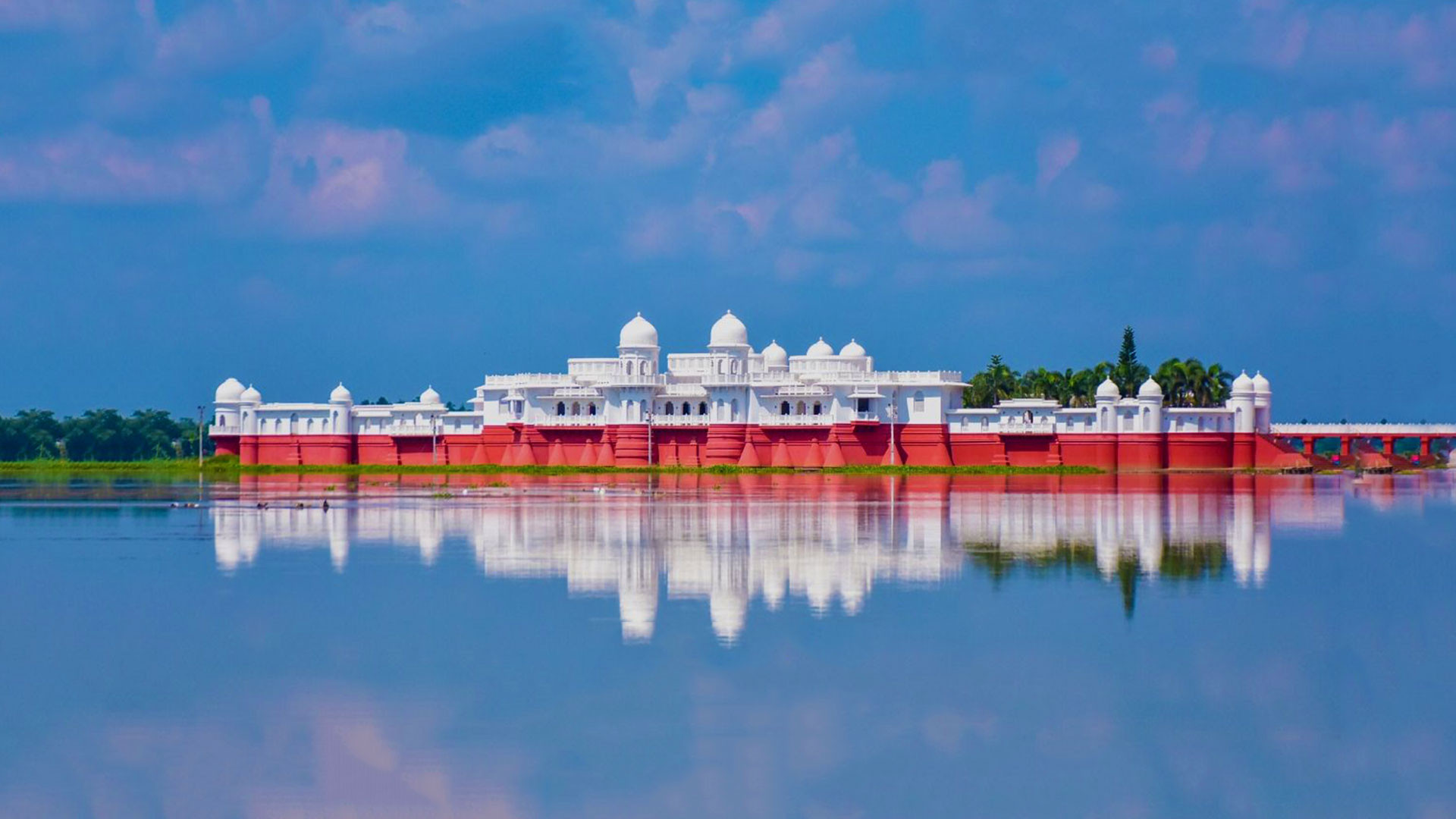
Tripura is one of India’s smallest states by area, but its location, dispersed population and proximity to Bangladesh give it considerable strategic importance within Northeast India.
For the prosthetics and orthotics sector, the state presents a combination of established public rehabilitation infrastructure and persistent access challenges. Specialist services are concentrated around Agartala, while people living in rural, tribal and border communities may need to travel considerable distances for assessment, fabrication, fitting and follow-up care.
Tripura’s opportunity is therefore not limited to providing more devices. The state needs connected rehabilitation pathways that bring together early identification, clinical assessment, prosthetic and orthotic provision, physiotherapy, repairs, follow-up and community reintegration.
Disability and rehabilitation needs
Census 2011 recorded 64,346 persons with disabilities in Tripura, including 11,707 people classified as having a disability in movement. The recorded total also included people with visual, hearing, speech, intellectual, psychosocial and multiple disabilities. These figures predate the wider definitions introduced under the Rights of Persons with Disabilities Act 2016 and are unlikely to reflect the state’s complete present-day need. censusindia.gov.in
Demand for prosthetic, orthotic and mobility services may arise from:
- Limb loss associated with trauma, diabetes, vascular disease and infection
- Congenital limb differences
- Cerebral palsy and other childhood conditions
- Poliomyelitis-related impairment
- Stroke and neurological conditions
- Spinal cord injury
- Musculoskeletal deformities
- Arthritis and age-related mobility limitations
- Occupational and road-traffic injuries
- Complications associated with diabetic foot disease
Tripura’s changing population and disease profile make it important to develop services that extend beyond one-time assistive-device distribution. Many users require regular review, adjustments, replacement components, gait training and long-term clinical management.
CRC Agartala as a specialist rehabilitation centre
The Composite Regional Centre for Skill Development, Rehabilitation and Empowerment of Persons with Disabilities—generally known as CRC Tripura or CRC Agartala—is one of the state’s most important rehabilitation institutions.
Established at Narsingarh, Agartala, in 2017, the centre operates under the Department of Empowerment of Persons with Disabilities in the Ministry of Social Justice and Empowerment. It is administratively controlled by the National Institute for Locomotor Disabilities in Kolkata. India
CRC Tripura provides multidisciplinary services that include prosthetics and orthotics, physiotherapy, occupational therapy, special education, vocational support and socioeconomic rehabilitation.
Its Prosthetics and Orthotics Unit serves people with locomotor disabilities resulting from amputation, congenital limb absence, orthopaedic conditions and neuromuscular disorders. This gives Tripura a central public facility capable of connecting device provision with broader rehabilitation. India
Published information from the National Institute for Locomotor Disabilities reports that CRC Tripura delivered 4,332 supportive and rehabilitation services during one reporting period, involving 684 new cases and 2,109 follow-up cases. India
The centre could play an increasingly important role in:
- Complex prosthetic and orthotic assessment
- Fabrication, fitting and repair
- Professional and caregiver training
- Clinical outreach to underserved districts
- Early-intervention programmes
- Assistive-technology demonstrations
- Data collection and outcome monitoring
- Referral coordination with hospitals and district services
District Disability Rehabilitation Centres
Tripura also has District Disability Rehabilitation Centres providing decentralised assessment, therapy, assistive-device support and referral services.
A government directory identifies a DDRC in West Tripura at Abhaynagar, Agartala. Publicly available records also identify DDRC services in districts including Dhalai and Unakoti. India
The Department of Empowerment of Persons with Disabilities defines DDRCs as district-level facilities providing early identification, assessment, therapeutic intervention, assistive-device support, skill development and referral services. depwd.gov.in
Evidence of local workshop development can be seen in a procurement notice from DDRC Unakoti seeking tools, equipment and raw materials for a prosthetic and orthotic workshop. This is significant because district fabrication and repair capacity can reduce dependence on Agartala for routine cases. Official Portal of Govt. of Tripura
However, equipment alone does not create a sustainable O&P service. Each workshop requires qualified personnel, appropriate materials, clinical governance, maintenance support and reliable referral pathways.
Hospitals and clinical referral
Tripura’s public healthcare network provides an important route for identifying patients who may require rehabilitation.
The Directorate of Health Services lists six state hospitals, including Agartala Government Medical College and GB Pant Hospital, IGM Hospital and other specialist institutions. It also identifies six district hospitals serving different parts of the state. Tripura
Agartala Government Medical College and GB Pant Hospital represent a major tertiary referral point for trauma, orthopaedic, neurological, surgical and medical cases. Tripura Medical College and Dr BR Ambedkar Memorial Teaching Hospital provide another important centre for healthcare and medical education.
For prosthetic and orthotic services to work effectively, these hospitals need formal links with CRC Tripura, DDRCs and community rehabilitation providers. Referral should begin before discharge, particularly following amputation, stroke, spinal injury or complex orthopaedic treatment.
An effective pathway would connect:
- Medical or surgical management
- Early rehabilitation and pre-prosthetic care
- Prosthetic or orthotic assessment
- Device fabrication and fitting
- Physiotherapy and gait training
- Community follow-up and repairs
- Periodic review and replacement
Government policy and assistive-device programmes
Tripura adopted its State Policy for Empowerment of Persons with Disabilities in 2024, providing a state-level framework for disability inclusion and implementation of rights-based services. The government’s disability-welfare system also operates under the Rights of Persons with Disabilities Act 2016 and the Tripura Rights of Persons with Disabilities Rules 2018. tripura.gov.in
National programmes can provide additional support. These include:
- The Assistance to Disabled Persons for Purchase/Fitting of Aids and Appliances scheme
- ALIMCO assessment and distribution camps
- Rashtriya Vayoshri Yojana for eligible senior citizens
- Unique Disability ID registration
- District rehabilitation programmes
- CSR-supported assistive-device initiatives
Device camps can reach large numbers of beneficiaries, but their long-term value depends on clinical assessment, individual fitting and follow-up. Prostheses, calipers and other orthoses should not be treated as standard consumer goods. They require professional prescription, fitting and continued review.
Workforce and education
Tripura’s specialist rehabilitation facilities require a sustainable pipeline of qualified professionals. These include prosthetists and orthotists, physiotherapists, occupational therapists, rehabilitation physicians, special educators, psychologists, social workers and workshop technicians.
RCI regulates rehabilitation education, professional standards and registration in India. Prosthetists and orthotists practising in the state should therefore possess recognised qualifications and meet applicable registration requirements. India
No established Bachelor of Prosthetics and Orthotics programme in Tripura was identified in the reviewed official sources. This means the state may depend on professionals educated elsewhere, creating potential recruitment and retention challenges.
Possible responses include:
- Sponsoring students from Tripura to undertake recognised P&O education
- Developing internships and clinical placements at CRC Tripura
- Offering continuing rehabilitation education for working professionals
- Training district teams to identify and refer appropriate cases
- Creating career pathways for workshop technicians
- Using teleconsultation to support peripheral services
- Establishing partnerships with recognised P&O institutions elsewhere in India
Digital fabrication and mobile services
Tripura could benefit from carefully implemented digital O&P workflows. Portable scanning, digital rectification and central fabrication may allow clinicians to assess patients in district locations while specialist design and manufacturing are undertaken in Agartala or another regional centre.
Potential applications include:
- Digital capture of residual limbs
- Custom ankle-foot orthoses
- Paediatric orthoses
- Foot orthoses
- Spinal braces
- Carved positive models
- Digitally documented follow-up and replacement
Digital technology should complement—not replace—clinical expertise. Reliable internet access, staff training, equipment maintenance, material supply and technical support must be included in any investment.
Mobile clinics could also connect remote communities with CRC and DDRC services. A multidisciplinary team could undertake screening, measurement, minor repairs and follow-up closer to the beneficiary’s home, reducing repeated journeys to Agartala.
Priorities for Tripura
The next phase of O&P development in Tripura should focus on:
- Strengthening district-level assessment, repair and follow-up
- Recruiting and retaining qualified prosthetists and orthotists
- Connecting hospitals with rehabilitation services before discharge
- Expanding outreach to tribal, rural and border communities
- Establishing diabetic-foot screening and offloading pathways
- Improving paediatric orthotic and early-intervention services
- Maintaining dependable supplies of components and raw materials
- Measuring mobility, participation and quality-of-life outcomes
- Using digital workflows where they improve access and efficiency
- Moving from distribution-led programmes to person-centred rehabilitation
Outlook
Tripura already has important foundations for a stronger rehabilitation system: a Composite Regional Centre, district rehabilitation infrastructure, major hospitals and an updated state disability policy.
The central challenge is to connect these assets into a consistent statewide pathway. A person receiving a prosthesis or orthosis should also have access to assessment, therapy, training, repairs and long-term follow-up.
With stronger district capacity, workforce development and carefully selected digital tools, Tripura could build a responsive O&P model suited to the geography and communities of Northeast India.
- CRC SRE Tripura
- CRC Tripura Prosthetics and Orthotics Unit
- Tripura Health and Family Welfare Department
- Tripura Social Welfare and Social Education Department
- Tripura State Policy for Empowerment of Persons with Disabilities 2024
- Department of Empowerment of Persons with Disabilities
- Rehabilitation Council of India
- ALIMCO