
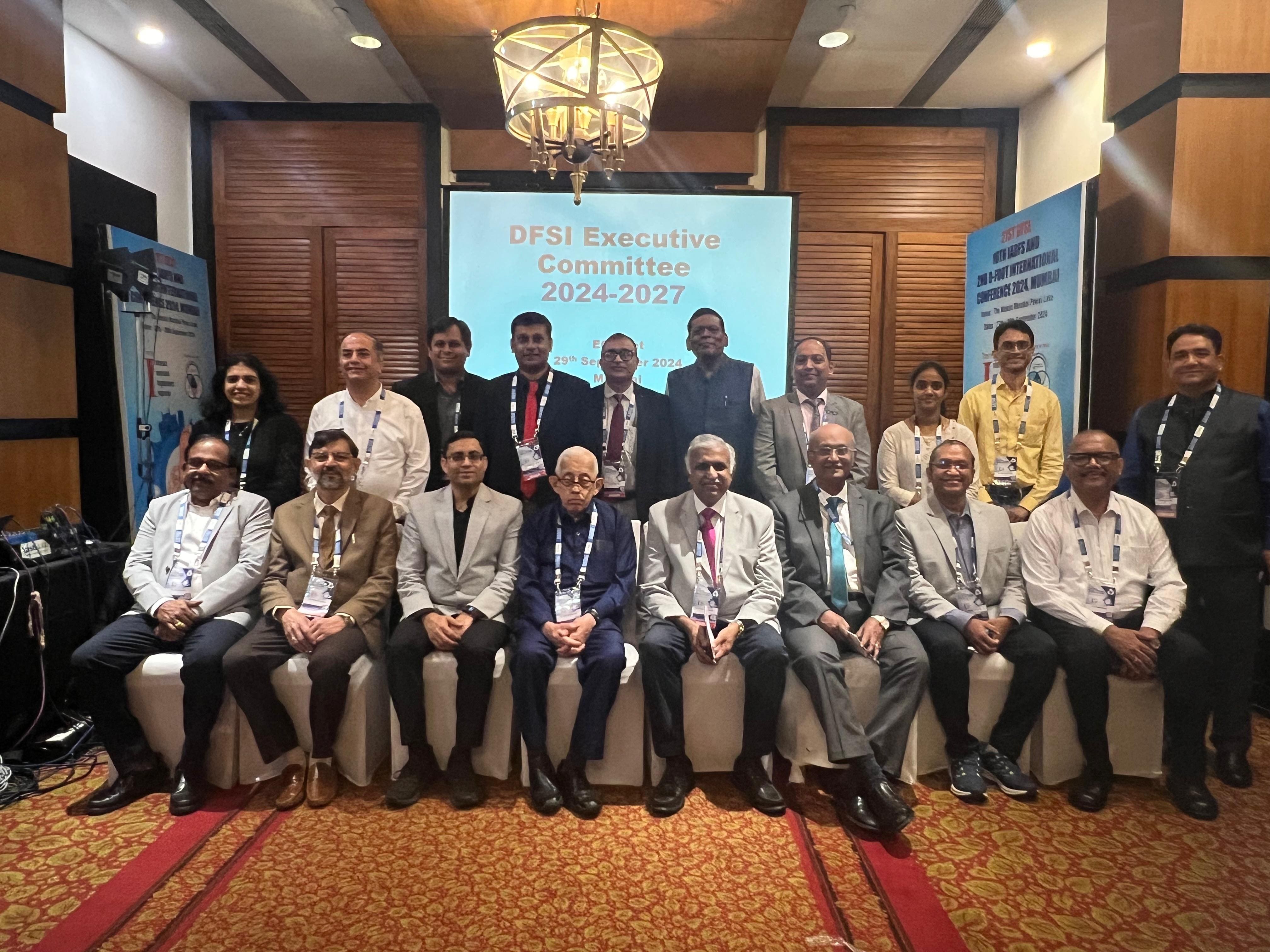
The Diabetic Foot Society of India (DFSI) has called for a Global Alliance for Diabetic Foot Survival and Limb Preservation, according to a report in The Hindu. The proposal seeks international cooperation on prevention, research, clinical pathways and policy for people at risk of diabetic foot complications. It remains a proposal; the alliance has not yet been established. lsn.news
The reported plan has an ambitious outcome focus: reducing risk-adjusted five-year mortality by 30% and avoidable major amputations by 50% by 2030. The report says DFSI has approached the Pan-African Diabetic Foot Study Group and is seeking collaboration with other institutions, including King’s College London. DFSI reportedly intends to announce its plans at its October conference. These figures are proposed targets, rather than measured results or commitments already adopted by partner organisations. newsminimalist.com
Why an Indian society is seeking a wider coalition
Diabetic foot care crosses several clinical boundaries. A person with an ulcer may need infection management, vascular assessment, wound care, pressure relief, diabetes management and rehabilitation. Those services must connect promptly if the goal is to preserve the limb and the person’s ability to move.
DFSI describes its work as training and bringing together medical and allied health personnel in diabetic foot management. Its 2026 conference in Bengaluru is framed around limb preservation and includes prosthetists and orthotists among the professionals it aims to engage. A global alliance could help teams compare care pathways and outcomes across health systems, but its practical value will depend on what participating organisations agree to deliver. dfsi.in
The role of orthotists and prosthetists
For India’s O&P workforce, offloading is a central contribution to limb preservation. The International Working Group on the Diabetic Foot’s 2023 guideline recommends a non-removable knee-high offloading device as first-choice treatment for a neuropathic plantar forefoot or midfoot ulcer, with other options considered according to the clinical circumstances. The choice and monitoring of a device require coordination with the clinician managing the wound, infection and vascular status. iwgdfguidelines.org
O&P services also have a role after an ulcer heals: assessing footwear and pressure distribution, reviewing fit, and helping people continue using protective devices. If an amputation cannot be avoided, rehabilitation and prosthetic care become part of the same longer pathway. The World Health Organization explicitly calls for prosthetics and orthotics services to be connected with rehabilitation and diabetic foot services. who.int
An alliance focused on measurable outcomes could give this work greater visibility. Useful measures would include time from referral to offloading, access to device review, ulcer recurrence, major amputation and survival. These are potential measures for the proposed collaboration, not a published DFSI implementation plan.
DFSI’s call places limb preservation alongside survival as an international priority. For Bharat CPO readers, the question after the announcement is concrete: will the proposed alliance create pathways in which appropriate offloading and O&P follow-up are accessible early enough, and consistently enough, to change patient outcomes?
- The Hindu: Diabetic Foot Society of India calls for global alliance
- Diabetic Foot Society of India
- International Working Group on the Diabetic Foot: Offloading guideline
- WHO: Strengthening prosthetics and orthotics services