
World Day for Assistive Technology, marked on 4 June 2026, offers an important opportunity for India’s prosthetic and orthotic community to place O&P access within the wider national conversation on assistive technology, disability inclusion and rehabilitation.
The global campaign, led through the Unlock The Everyday platform, calls on individuals, organisations, businesses and policymakers to raise awareness of assistive technology and improve access, especially in low- and middle-income countries. Campaign materials specifically highlight prostheses, alongside wheelchairs, glasses, hearing aids and digital devices.
For BharatCPO readers, this matters because prosthetic and orthotic services should not be viewed as a narrow clinical specialty. They are part of India’s wider assistive technology ecosystem, alongside mobility aids, therapeutic footwear, wheelchairs, communication devices, hearing support, vision products, accessible digital tools and rehabilitation services.
Why World AT Day Matters for India
India has one of the world’s largest populations of people with disabilities and long-term mobility needs. Demand for assistive products is driven by congenital conditions, road traffic injuries, workplace injuries, diabetes, stroke, neurological conditions, ageing, childhood disability and post-surgical rehabilitation.
Yet access remains uneven. Many people who need prostheses, orthoses, mobility aids or therapeutic footwear still face barriers related to affordability, awareness, referral, geography, service quality, follow-up and device maintenance.
World AT Day is therefore more than a global awareness event. It is a useful advocacy moment for India to ask practical questions:
- Are prosthetic and orthotic services reaching people outside major cities?
- Are assistive devices affordable for low-income users?
- Are public schemes covering both devices and long-term follow-up?
- Are rehabilitation professionals available in sufficient numbers?
- Are users receiving the right product, fitted by trained professionals?
- Are repair, replacement and maintenance systems strong enough?
- Are children with disabilities receiving early orthotic and mobility support?
- Are persons with disabilities involved in decisions about assistive technology policy?
These questions are central to India’s rehabilitation future.
Prosthetics and Orthotics Are Assistive Technology
The global campaign’s inclusion of prostheses is important. Too often, assistive technology is discussed mainly in terms of wheelchairs, hearing aids, spectacles or digital accessibility. While all of these are essential, prosthetics and orthotics must remain clearly visible in the AT agenda.
A prosthetic limb can help a person return to walking, work, school and community participation. An ankle-foot orthosis can help a child with cerebral palsy stand and walk more safely. A spinal brace can support recovery after injury or surgery. A diabetic insole or therapeutic shoe can help prevent ulcer recurrence and reduce amputation risk.
In India, O&P professionals provide much more than devices. They assess users, take measurements, cast or scan limbs, design orthoses, fabricate sockets, align prostheses, modify footwear, educate families, support gait training and coordinate with physiotherapists, surgeons and rehabilitation teams.
This clinical and technical expertise should be recognised as part of India’s assistive technology infrastructure.
ADIP and the Public Access Challenge
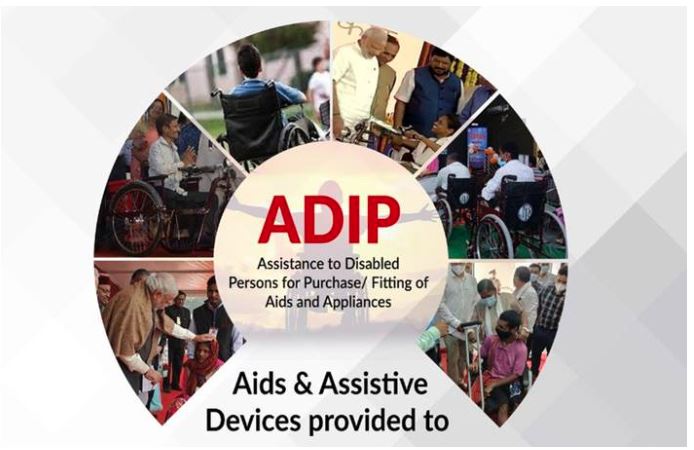
India already has important public mechanisms for assistive device access, including the ADIP Scheme under the Department of Empowerment of Persons with Disabilities. The scheme supports the provision of aids and appliances to eligible persons with disabilities and plays a central role in improving access for low-income users.
However, India’s O&P access agenda cannot stop at device distribution. Prosthetic and orthotic care requires assessment, fitting, alignment, training, repair and follow-up. A prosthesis that is poorly fitted, not maintained or not replaced when needed may be abandoned. An orthosis that does not match the user’s functional needs may sit unused. A child’s brace may quickly become too small as the child grows.
World AT Day is a useful reminder that access should be measured not only by the number of devices distributed, but by whether users receive appropriate, safe and usable technology that supports daily life.
The Affordability Question
Affordability remains one of the biggest challenges in Indian prosthetic and orthotic care. Many users require repeated adjustments, replacement liners, new sockets, orthotic modifications, footwear changes or follow-up services. For children, growth means repeated replacement. For prosthesis users, socket fit can change with residual limb volume, weight change or activity level.
This makes long-term affordability a key issue. India’s AT agenda should include not only initial device cost, but also:
- Replacement cycles.
- Maintenance and repair.
- Consumables such as liners, socks, straps and padding.
- Travel costs for users outside urban centres.
- Follow-up appointments.
- Paediatric growth-related refitting.
- Diabetic foot prevention and footwear support.
- Training for safe and effective use.
For policymakers, this means the real cost of assistive technology is not only the purchase price. It is the cost of sustained access.
Rehabilitation Services Must Be Part of the AT Conversation
Assistive technology works best when connected to rehabilitation services. A wheelchair requires assessment and user training. A prosthesis requires gait training and follow-up. An orthosis requires review, adjustment and functional integration. Therapeutic footwear requires monitoring, especially for people with diabetes or neuropathy.
This is why the World Day for Assistive Technology message should be linked to India’s wider rehabilitation planning. O&P services need stronger integration with hospitals, district disability services, physiotherapy departments, medical colleges, community health systems, paediatric programmes, diabetic foot services and public procurement systems.
The World Health Organization defines assistive technology as products and related systems and services that maintain or improve functioning and independence. The words “systems and services” are crucial. Devices alone are not enough.
Workforce Development Is Essential
India’s assistive technology goals depend on trained professionals. Orthotists, prosthetists, technicians, physiotherapists, occupational therapists, rehabilitation doctors, nurses, community workers and disability support personnel all play a role.
For O&P, workforce development should include:
- Stronger practical education for prosthetists and orthotists.
- Technician training in fabrication and repair.
- Continuing professional development.
- Paediatric orthotic training.
- Diabetic foot and footwear training.
- Digital fabrication and CAD/CAM skills.
- Public-sector service management.
- Ethical fitting and outcome monitoring.
India’s rehabilitation workforce must be prepared not only to fit devices, but to support long-term function and quality of life.
The Role of Indian Innovation
India has a strong tradition of low-cost assistive technology development, including prosthetic limbs, mobility aids, orthotic systems, footwear solutions and community-based service models. World AT Day provides an opportunity to highlight this innovation while also asking how it can be scaled safely and effectively.
The priority should be appropriate technology: products that are affordable, durable, repairable, clinically suitable and acceptable to users. High-end technology has a role, especially for selected users and advanced centres, but India’s greatest AT challenge remains access at scale.
For O&P, innovation should focus on:
- Low-cost but high-quality prosthetic components.
- Durable orthotic materials.
- Diabetic foot prevention solutions.
- Paediatric orthoses.
- Digital scanning and design where appropriate.
- Local repair networks.
- Better outcome data.
- User-centred design.
- Climate-appropriate and culturally acceptable products.
Why the O&P Community Should Use World AT Day
World AT Day gives India’s prosthetic and orthotic community a clear public advocacy moment. Clinics, colleges, hospitals, NGOs, manufacturers and professional associations can use the day to raise awareness of the role of O&P in daily life.
Possible activities include public education campaigns, social media posts, patient stories, open-house clinic events, student-led awareness sessions, disability inclusion discussions, media articles, school outreach, diabetic foot screening, prosthetic maintenance camps or roundtables with policymakers.
The World Federation of Occupational Therapists also highlighted World AT Day as an opportunity for organisations, businesses, policymakers and individuals to champion assistive technology and improve access, particularly in low- and middle-income countries.
For India, that message should be translated into practical action: better access, better fitting, better follow-up and stronger rehabilitation systems.
Conclusion
World Day for Assistive Technology is a timely reminder that prosthetics and orthotics must be part of India’s wider assistive technology agenda. O&P services are not optional extras. They are essential to mobility, independence, education, employment and social participation for millions of people.
India already has public schemes, clinical expertise, manufacturing capacity and rehabilitation institutions. The challenge is to connect these strengths into a more consistent, affordable and user-centred AT system.
As World AT Day is marked globally on 4 June 2026, BharatCPO believes the message for India is clear: access to prosthetics, orthotics and rehabilitation must be treated as a core part of disability inclusion, public health and social participation.
Suggested Hyperlinks
- World Day for Assistive Technology – Unlock The Everyday
- WFOT – World Day for Assistive Technology 2026
- Department of Empowerment of Persons with Disabilities – ADIP Scheme
- WHO – Assistive Technology
- WHO – Rehabilitation
- ISPO – Prosthetics, Orthotics and Assistive Technology
- Rehabilitation Council of India