
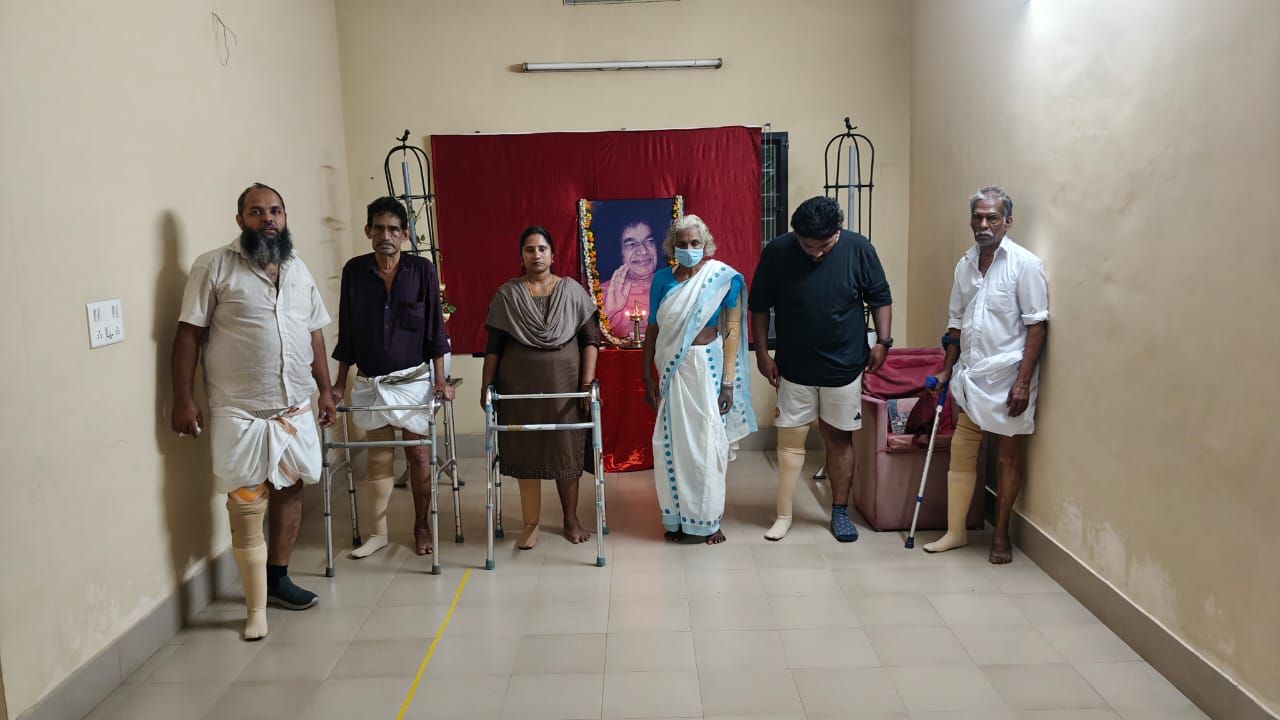
During a 10-day camp in Kozhikode, Kerala, Andhra Pradesh MedTech Zone Limited provided 110 beneficiaries with customised assistive devices tailored to their individual needs, supporting mobility, accessibility and more independent living.
The initiative highlights the growing importance of customised assistive technology in India’s rehabilitation ecosystem. Rather than treating assistive devices as standardised products, the camp focused on matching devices to the specific functional, mobility and participation needs of each beneficiary.
For India’s orthotics, prosthetics and rehabilitation sector, the Kozhikode camp is an important example of how technology, clinical assessment, sports inclusion and community outreach can come together to improve quality of life for persons with disabilities.
Why Customisation Matters in Assistive Technology
Assistive devices are most effective when they are matched to the user. A wheelchair, orthosis, prosthesis, seating solution or mobility aid can only support independence when it reflects the person’s body, environment, daily routine and goals.
This is especially important for children, athletes, working adults, senior citizens and people with complex mobility needs. A poorly matched device may be uncomfortable, underused or even harmful. A well-fitted device, by contrast, can improve posture, mobility, confidence, participation and long-term independence.
The World Health Organization has consistently emphasised that assistive technology is essential for inclusion, participation and dignity. In India, where the demand for mobility support is large and geographically spread, camps such as the Kozhikode initiative can play an important role in identifying needs and delivering practical solutions.
AMTZ’s Role in India’s Assistive Technology Ecosystem
Andhra Pradesh MedTech Zone has become one of India’s most visible medical technology platforms, combining manufacturing, testing, innovation and healthcare technology development. Its Artificial Limb Center at AMTZ provides prosthetic, orthotic, assistive device and diabetic footwear solutions, with a focus on restoring mobility and confidence.
The Kozhikode camp reflects this wider role. It shows how medtech infrastructure can support real-world rehabilitation access, not only by developing devices but by taking solutions closer to the people who need them.
For Bharat CPO readers, this is a model worth watching. India’s rehabilitation system needs stronger links between manufacturing, clinical services, community programmes, disability sports and government-supported inclusion initiatives. AMTZ’s involvement in a field camp demonstrates how these links can be strengthened.
Sport, Mobility and Inclusion
The organisations associated with the initiative point to a broader inclusion agenda. The camp was linked with stakeholders including the Indian Council of Medical Research, Ministry of Health and Family Welfare, Wheelchair Basketball Federation of India, Boccia India, Paralympic Committee of India, Ministry of Social Justice and Empowerment, Bhagavatula Charitable Trust and the International Wheelchair Basketball Federation.
This is significant because assistive devices are not only about basic mobility. They are also about participation in school, employment, sport, community life and social identity.
Sports such as wheelchair basketball and boccia demonstrate how the right device, training and support can open pathways to confidence and achievement. The Wheelchair Basketball Federation of India promotes wheelchair basketball across the country, while the International Wheelchair Basketball Federation governs the sport globally. Boccia, recognised internationally by World Boccia and the International Paralympic Committee, is especially important for athletes with high support needs and severe physical impairments.
By connecting assistive device access with sport and inclusion, programmes like the Kozhikode camp help move disability support beyond a medical model and toward full participation.
A Camp-Based Model for Reaching More People
India’s assistive technology challenge is not only about device availability. It is also about identification, assessment, funding, delivery, training, repairs and follow-up.
Camp-based outreach can help address part of this gap, especially when it brings together clinical expertise, government support, civil society organisations and sports bodies. For many beneficiaries, attending a camp may be the first step toward receiving a device suited to their needs.
However, for long-term impact, camps should also be connected to follow-up systems. Beneficiaries may need adjustments, repairs, replacement parts, training or reassessment as their needs change. For children, growth means devices must be reviewed regularly. For athletes, equipment may need to be refined as performance improves. For senior citizens or people with progressive conditions, functional needs can change over time.
The Kozhikode initiative therefore points to both an achievement and a continuing priority: assistive device access must be supported by sustainable service pathways.
Inclusive Healthcare Requires Collaboration
The range of stakeholders associated with the camp reflects the collaborative nature of inclusive healthcare. No single organisation can solve India’s assistive technology access gap alone.
Government agencies can support policy, funding and public health integration. Medtech organisations can support design, manufacturing and innovation. Rehabilitation professionals can ensure assessment, fit and safe use. Sports federations can create pathways for participation and competition. Charitable and community organisations can help identify beneficiaries and maintain local support.
This multi-stakeholder approach is particularly important in a country as large and diverse as India. Accessibility needs differ across rural, urban, coastal, tribal and metropolitan communities. Customised assistive technology must therefore be delivered through flexible models that can adapt to local realities.
Why This Matters for the Indian O&P Sector
For orthotists, prosthetists, rehabilitation engineers, physiotherapists, occupational therapists and assistive technology providers, the Kozhikode camp reinforces an important message: the future of rehabilitation in India will depend on customised, user-centred and locally accessible solutions.
The sector must continue to move beyond product distribution and toward full-service provision. That means:
- Proper assessment before device selection
- Customisation based on function and environment
- Training in safe and effective use
- Follow-up for comfort, fit and performance
- Repair and maintenance support
- Links to sport, education, work and community participation
The success of any assistive device should not be measured only by delivery numbers. It should be measured by whether the beneficiary can move more freely, participate more fully and live with greater independence.
A Step Toward More Independent Living
The 10-day Kozhikode camp, with 110 beneficiaries receiving customised assistive devices, is a positive example of India’s growing assistive technology capacity. It also shows how organisations working across health, disability, medtech and sport can collaborate to improve access.
For Bharat CPO, the key takeaway is clear: customised assistive devices are not simply equipment. They are tools for independence, dignity and inclusion.
As India continues to strengthen its rehabilitation and assistive technology ecosystem, initiatives like this can help build a more accessible future, where mobility support reaches people according to need, not geography, income or opportunity.
WHO Assistive Technology Fact Sheet
Indian Council of Medical Research
Ministry of Health and Family Welfare
Ministry of Social Justice and Empowerment
Wheelchair Basketball Federation of India
International Wheelchair Basketball Federation
International Paralympic Committee: Boccia