
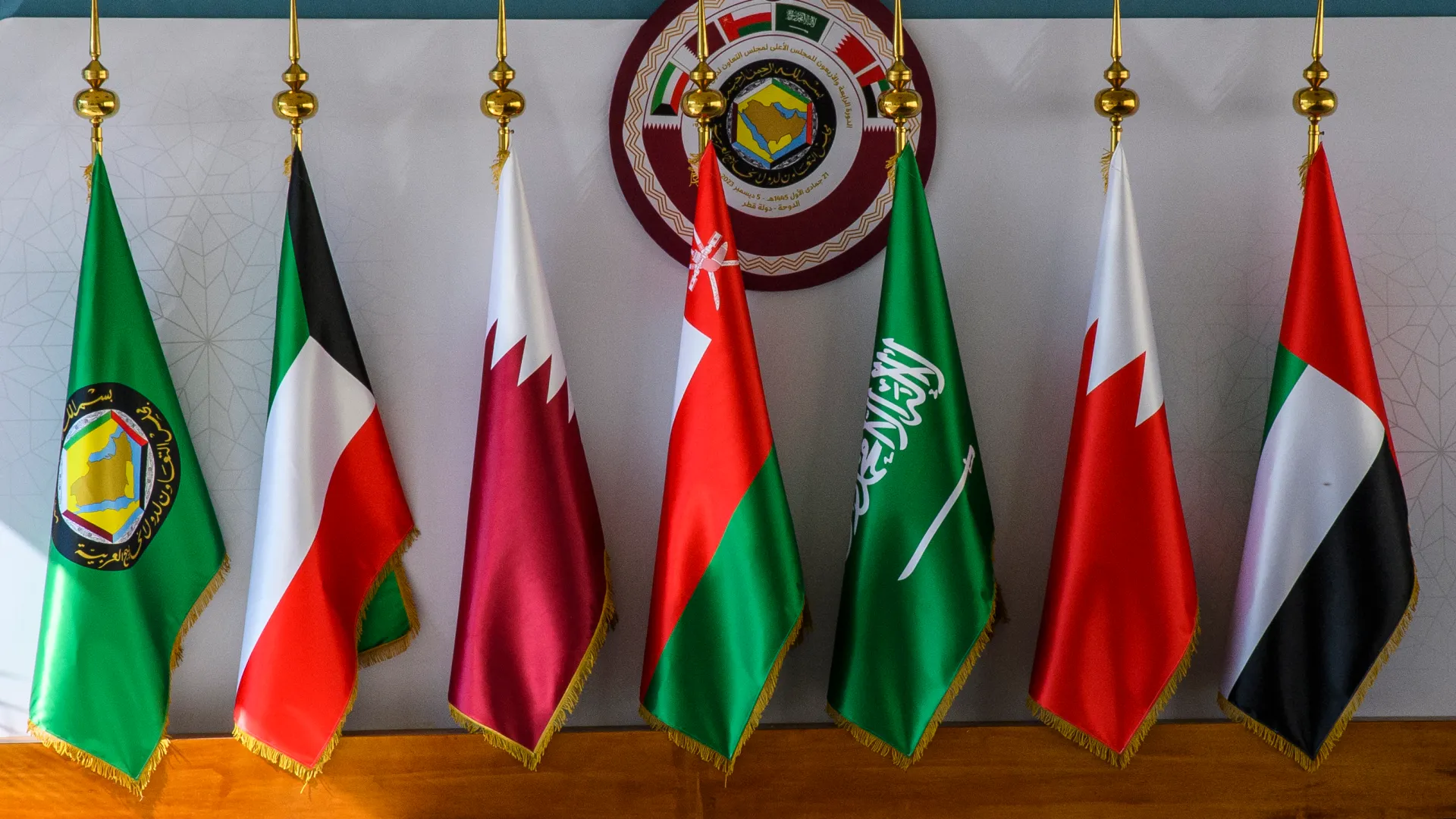
The Gulf continues to be one of the most important overseas employment markets for Indian prosthetists, orthotists and P&O technicians. Hospitals, rehabilitation centres, private clinics, diabetic foot programmes, long-term care providers and distributors across the GCC are expanding their rehabilitation services.
However, Indian P&O professionals should not assume that a degree, diploma or Indian work experience automatically allows clinical practice in the Gulf.
In 2026, the GCC remains a country-by-country licensing environment. The United Arab Emirates, Saudi Arabia, Qatar, Oman, Kuwait and Bahrain each have their own regulator, online portal, title structure, exam rules and documentation requirements.
For Indian graduates and experienced clinicians, the message is clear: prepare your documents early, check the correct professional title and do not travel for work until the licensing pathway is clear.
There Is No Single GCC P&O Licence
One of the most common misunderstandings is that a licence in one Gulf country allows automatic practice across the whole GCC. This is not the case.
A prosthetist or orthotist licensed in Dubai may still need a separate process to work in Saudi Arabia, Qatar or Bahrain. A Saudi classification does not automatically create a UAE licence. Each country has its own system.
Most GCC regulators generally require:
- Recognised prosthetics and orthotics qualification
- Minimum post-qualification clinical experience
- Primary source verification of documents
- Good standing certificate
- Current or previous professional licence, where applicable
- Assessment or licensing examination, unless exempt
- Employer or facility sponsorship in many cases
- Final licence activation before clinical practice
For Indian P&O professionals, this means the job offer is only one part of the process. The professional licence is what allows the person to legally practise.
Why This Matters for Indian P&O Professionals
India has a strong prosthetics and orthotics education base, with graduates from recognised institutions working across public hospitals, NGOs, private clinics, ALIMCO-related services, rehabilitation centres and international organisations.
Many Indian P&O professionals are attractive to Gulf employers because they often combine clinical training, workshop skills, patient-facing experience and experience with cost-sensitive service delivery.
However, licensing authorities in the GCC will usually evaluate documents strictly. Delays often happen because of:
- Incomplete transcripts
- Unclear degree or diploma titles
- Missing internship records
- Experience letters without job duties
- Lack of good standing certificate
- Difference between Indian and GCC professional titles
- Unverified previous employment
- Applying under the wrong category
- Employer misunderstanding of P&O scope
Indian applicants should therefore treat licensing preparation as seriously as the job interview.
United Arab Emirates: DHA, DOH, MOHAP and DHCC
The UAE is one of the most popular Gulf destinations for Indian prosthetists and orthotists. However, the UAE has multiple health regulators depending on the emirate or healthcare zone.
The main authorities are:
- Dubai Health Authority for Dubai
- Department of Health Abu Dhabi for Abu Dhabi
- Ministry of Health and Prevention for the Northern Emirates
- Dubai Healthcare City Authority for Dubai Healthcare City
The UAE uses a unified Professional Qualification Requirements framework. For P&O, the UAE recognises titles such as Prosthetics and Orthotics Technologist and Prosthetics and Orthotics Technician.
A Prosthetics and Orthotics Technologist usually requires a bachelor’s degree or a diploma of at least three years in prosthetics and orthotics, plus post-qualification experience. A Prosthetics and Orthotics Technician pathway generally requires a shorter accredited P&O programme and relevant experience.
For Indian professionals, the key issue is whether your qualification is assessed as equivalent to the UAE’s technologist or technician route. This can affect your title, salary, scope of practice and career progression.
Saudi Arabia: SCFHS Classification Is Essential
Saudi Arabia is a major growth market for Indian P&O professionals because of its large population, expanding rehabilitation hospitals, long-term care sector, diabetes burden, trauma services and government procurement through NUPCO.
In Saudi Arabia, the key authority is the Saudi Commission for Health Specialties. P&O professionals usually need SCFHS classification and registration before they can practise clinically.
The SCFHS professional classification requirements are important because Saudi employers cannot simply hire a prosthetist or orthotist into a clinical patient-care role without the proper classification.
Indian applicants should check:
- Whether their qualification title matches the Saudi category
- Whether their experience is counted after qualification
- Whether DataFlow or primary source verification is required
- Whether a Prometric or other assessment applies
- Whether the employer is offering a clinical role or sales/support role
- Whether the facility is authorised for rehabilitation or P&O services
Saudi Arabia offers strong opportunities, but the licensing process should be clarified before resignation or relocation.
Qatar: DHP Licensing Through the Ministry of Public Health
Qatar regulates healthcare professionals through the Department of Healthcare Professions under the Ministry of Public Health.
Indian P&O professionals looking at Qatar should confirm the exact allied health category under which they will be assessed. Qatar’s system involves evaluation, verification and professional licensing. Permanent licences are generally issued after approval and are valid for a defined period.
For Indian applicants, Qatar may be attractive because of its advanced hospital system and rehabilitation investment, but documentation needs to be precise. Employers should confirm the title before making assumptions about eligibility.
Oman: MOH Registration for Allied Health Professionals
In Oman, healthcare practitioner registration is handled through the Ministry of Health.
Oman’s health practitioner registration framework includes allied health professionals who wish to work in government or private healthcare institutions. Indian prosthetists, orthotists and technicians should expect document review, verification and possible assessment depending on the route.
For P&O applicants, it is important to check both the individual licence and the facility licence. A clinic or centre must be authorised to provide the relevant rehabilitation or orthopaedic technical services.
Kuwait: MOH Licensing and Testing
Kuwait regulates health professional licensing through the Ministry of Health. The Kuwait MOH Medical Licensing Department uses international testing routes through Prometric.
Indian P&O professionals considering Kuwait should confirm whether their role is classified under allied health and whether an exam is required. The exact recognised title, qualification requirement and employer pathway should be checked before accepting a role.
As in other GCC countries, the applicant’s degree, experience, good standing and previous employment may need verification.
Bahrain: Clear P&O Titles Through NHRA
Bahrain has one of the clearer published frameworks for P&O professionals. The National Health Regulatory Authority lists Prosthetist / Orthotist and Prosthetics and Orthotics Technician under allied health qualification requirements.
For non-Bahraini applicants, the prosthetist/orthotist route generally requires a BSc degree of at least three years in prosthetics and orthotics, plus post-qualification experience. The technician route generally requires a diploma in prosthetics and orthotics of at least two years, plus relevant experience.
Indian applicants should also check exam requirements. Bahrain’s framework indicates that some allied health professionals must pass the Bahrain Medical Licensure Examination, with exemptions applying in limited cases.
For Indian P&O professionals, Bahrain may be more transparent than some markets because the P&O titles are clearly listed. However, correct documentation and verification remain essential.
The Biggest Risk: Applying Under the Wrong Title
One of the biggest problems for Indian P&O professionals moving to the Gulf is title mismatch.
In India, a person may be called a prosthetist and orthotist, orthopaedic technologist, P&O technician, clinical prosthetist, orthotic specialist or rehabilitation professional depending on training and workplace.
In the GCC, the regulator may use different titles such as:
- Prosthetist / Orthotist
- Prosthetics and Orthotics Technologist
- Prosthetics and Orthotics Technician
- Allied Health Professional
- Orthotics and Prosthetics Specialist
- Rehabilitation Technician
The wrong title can affect:
- Licence approval
- Scope of practice
- Salary grade
- Ability to assess patients independently
- Hospital credentialing
- Insurance approval
- Future career progression
- Ability to transfer between employers
Before accepting a job, Indian applicants should ask the employer exactly which licensing title they will apply under.
Documents Indian Applicants Should Prepare
Indian P&O professionals planning for GCC jobs should prepare a complete digital licensing file.
This should include:
- Passport copy
- Degree or diploma certificate
- Full academic transcripts
- Internship or clinical training certificate
- RCI registration, where applicable
- Current professional registration or licence, where applicable
- Certificate of good standing
- Experience letters from each employer
- Detailed job description letters
- Salary or appointment letters, if useful for verification
- Updated CV
- Passport-style photograph
- CPD certificates
- Name-change documents, if applicable
- Attested documents where required
- English translations if any document is not in English
Experience letters should clearly mention the job title, dates of employment, full-time status, department, clinical responsibilities and whether the role involved prosthetic and orthotic assessment, fabrication, fitting and follow-up.
Generic HR letters are often not enough.
RCI Registration: Helpful, But Not Always Sufficient
For Indian professionals, registration with the Rehabilitation Council of India can be helpful in demonstrating professional recognition in India. However, GCC regulators may still require their own evaluation, verification and licensing exam.
RCI registration should therefore be seen as part of the documentation file, not a substitute for GCC licensing.
Indian applicants should also ensure their qualification is from a recognised institution and that their academic records clearly describe the prosthetics and orthotics programme.
Experience Requirements Can Be a Barrier for New Graduates
Many GCC licensing pathways require post-qualification experience. This can be a challenge for new Indian graduates hoping to move directly to the Gulf.
In many cases, fresh graduates may need to gain experience in India before becoming eligible for full licensing abroad. This experience should be properly documented from the beginning.
New graduates should keep:
- Appointment letters
- Clinical logbooks
- Supervisor letters
- Department certificates
- CPD certificates
- Case exposure records
- Proof of full-time employment
This can make future licensing applications much easier.
What Indian Employers and Educators Should Note
This issue is not only relevant to individuals. Indian P&O colleges, training institutions and employers can help graduates by improving documentation standards.
Institutions should provide clear transcripts, course duration details, internship certificates and clinical training descriptions. Employers should issue detailed experience letters that reflect actual P&O responsibilities.
This can improve international mobility for Indian graduates and strengthen the global reputation of Indian P&O education.
Opportunities Across the GCC
Despite the licensing complexity, the GCC remains a strong opportunity region for Indian prosthetists and orthotists.
Demand is growing in:
- Diabetic foot care
- Amputee rehabilitation
- Paediatric orthotics
- Stroke and neurorehabilitation
- Spinal orthotics
- Long-term care
- Trauma rehabilitation
- Private rehabilitation clinics
- Hospital-based P&O departments
- Assistive technology distribution
- Sports and musculoskeletal bracing
Indian professionals with strong clinical skills, good English communication, documentation discipline and experience in multidisciplinary care can be competitive candidates.
Advice for Indian P&O Professionals Before Accepting a GCC Job
Before accepting a GCC role, ask the employer:
- Which regulator will process my licence?
- What title will I apply under?
- Do I need an exam?
- Will the employer pay licensing and verification fees?
- Can I start work only after licence approval?
- Is the role clinical, technical, sales, training or workshop-based?
- Is the facility licensed for P&O or rehabilitation services?
- What happens if my licence is delayed or rejected?
- Will my visa depend on licence approval?
- Is my salary linked to final licence activation?
These questions can prevent major problems later.
Why Licensing Is Good for the Profession
Licensing may feel complicated, but stronger regulation is good for the prosthetics and orthotics profession.
It helps protect patients, improves professional recognition, supports fairer salaries and reduces unqualified practice. It also gives employers clearer standards when hiring.
For Indian P&O professionals, GCC licensing should be viewed not as a barrier, but as a professional pathway that requires preparation.
The Gulf rehabilitation market is becoming more mature. Qualified, properly licensed Indian orthotists and prosthetists are well placed to contribute to that growth.
Conclusion: Prepare Early, Apply Correctly, Protect Your Career
For Indian prosthetists, orthotists and technicians, the GCC can offer excellent opportunities. But success depends on understanding the licensing rules before moving.
There is no single Gulf licence. Each country has its own regulator, title structure and approval process. Documents must be accurate, experience must be verifiable and the correct professional category must be selected.
The best advice is simple: prepare early, keep your records clean and never assume that a job offer equals permission to practise.
For India’s P&O community, better awareness of GCC licensing can help more professionals build safe, compliant and successful international careers.
- UAE MOHAP: Evaluation of Health Professional
- UAE Professional Qualification Requirements PDF
- Dubai Health Authority Sheryan
- Department of Health Abu Dhabi: Healthcare Professionals
- Saudi Commission for Health Specialties
- SCFHS Professional Classification Requirements
- Qatar Ministry of Public Health: Healthcare Professional Licensing
- Oman Ministry of Health: Directorate General of Private Health Establishments
- Kuwait MOH Medical Licensing Department: Prometric
- Bahrain NHRA Allied Health Professional Qualification Requirements
- Rehabilitation Council of India