
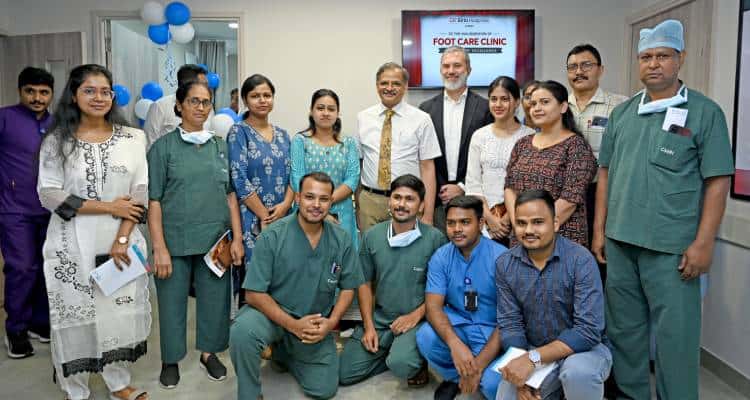
CK Birla Hospitals, CMRI has launched a dedicated Foot Care Clinic focused on the management of diabetic foot complications, including diabetic foot ulcers, wound treatment, limb preservation, rehabilitation and preventive care.
According to Express Healthcare, the hospital describes the new service as the first specialised clinic of its kind in Eastern India. The clinic will be led by Dr Anupam Golash, Consultant – Plastic & Reconstructive Surgery, and will provide care for patients with diabetic foot ulcers through early diagnosis, wound management, limb preservation, rehabilitation and prevention-focused follow-up.
For India’s prosthetics, orthotics and diabetic foot community, the launch is important because it highlights the growing need for structured foot-care pathways that bring together diabetes management, vascular assessment, wound care, rehabilitation, footwear and orthotic support.
Why Dedicated Diabetic Foot Services Matter
Diabetic foot disease is one of the most serious long-term complications of diabetes. When neuropathy reduces sensation in the foot, patients may not notice small cuts, blisters, pressure marks or shoe-related injuries. If circulation is also affected, wounds may heal slowly and infection risk increases.
Delayed diagnosis can turn a minor injury into a major ulcer. In advanced cases, diabetic foot complications can lead to hospitalisation, surgery or amputation.
Express Healthcare reported that the new CMRI clinic will follow a care pathway including diabetes management, vascular assessment, wound treatment, rehabilitation and measures to reduce recurrence.
This kind of multidisciplinary model is essential. A diabetic foot ulcer is rarely only a skin wound. It may reflect a combination of high blood sugar, neuropathy, poor circulation, pressure, infection, inappropriate footwear and delayed care.
A Multidisciplinary Model
The clinic will involve diabetologists, plastic and reconstructive surgeons, vascular specialists, interventional radiologists, wound care experts, nursing teams, physiotherapists and rehabilitation specialists.
For Bharat CPO readers, the key opportunity is ensuring that orthotic, footwear and offloading services are integrated into such pathways. In diabetic foot care, pressure management is often as important as wound dressing. If pressure continues on the ulcer site, healing can be delayed and recurrence risk remains high.
A complete diabetic foot pathway should consider:
- Protective footwear
- Custom insoles
- Pressure redistribution
- Offloading devices
- Total contact casting where appropriate
- Charcot foot management
- Ankle-foot orthoses where deformity or instability is present
- Post-amputation prosthetic and orthotic rehabilitation
- Patient education and regular follow-up
Prevention Must Start Before Ulceration
Dr Golash said diabetic foot ulcers are not just wounds, but indicators of a larger underlying disease burden. He also stressed that early detection and treatment can help prevent complications, preserve mobility and improve quality of life.
This message is highly relevant for India. Many patients seek care only after the condition has progressed. By that stage, treatment becomes more complex, expensive and risky.
Prevention should begin with regular screening of high-risk patients, including those with:
- Long-standing diabetes
- Loss of protective sensation
- Previous ulceration
- Foot deformity
- Poor circulation
- Callus formation
- Inappropriate footwear
- Kidney disease
- Previous amputation
- Visual impairment or difficulty self-inspecting the feet
For these patients, routine foot checks and footwear advice can be limb-saving.
Footwear and Orthotics Are Central to Recurrence Prevention
The Express Healthcare report notes that the clinic will focus on preventive care and reducing recurrence risk. This is where orthotics and therapeutic footwear become especially important.
After a diabetic foot ulcer heals, recurrence is common if the original pressure problem is not addressed. The wound may close, but the foot may still have neuropathy, deformity, high plantar pressure or poor footwear fit.
Orthotic and footwear intervention can help by:
- Reducing peak pressure areas
- Accommodating deformity
- Protecting bony prominences
- Improving weight distribution
- Reducing friction and shear
- Supporting gait stability
- Allowing safer daily walking
For India’s P&O sector, diabetic foot care is a major area of future growth. Orthotists, prosthetists and pedorthic professionals can play an important role in preventing ulcer recurrence and supporting mobility after limb salvage or amputation.
Patient Education Is Essential
The clinic will also emphasise patient education, including daily foot inspection, proper footwear, avoiding barefoot walking and seeking medical attention even for minor foot injuries.
This is one of the most important parts of diabetic foot care. Many severe complications begin as small injuries that are ignored because the patient does not feel pain. Education must be repeated, simple and practical.
Patients should understand:
- Check both feet every day
- Never walk barefoot, even at home
- Avoid tight or poorly fitting shoes
- Check shoes for stones or rough seams
- Report cuts, redness, swelling or discharge early
- Do not self-treat corns, callus or wounds
- Keep blood sugar, blood pressure and cholesterol controlled
- Attend regular foot screening appointments
For clinicians, education should not be treated as an add-on. It is part of the treatment.
Why This Matters for Eastern India
The launch of a dedicated foot care clinic in Eastern India is significant because access to specialised diabetic foot services remains uneven across the country.
India has a high diabetes burden, but many patients still lack access to integrated diabetic foot care. In smaller cities and rural areas, patients may move between general physicians, surgeons, dressing clinics, footwear shops and rehabilitation providers without a coordinated pathway.
A hospital-based multidisciplinary clinic can help create a more structured model. It can bring together early diagnosis, wound care, vascular assessment, surgical expertise, rehabilitation and preventive follow-up.
For Bharat CPO, the important question is whether more hospitals will build similar foot-care services and whether they will formally include orthotic and footwear pathways.
From Amputation Treatment to Amputation Prevention
India’s diabetic foot challenge requires a shift in mindset. The goal should not be only to treat ulcers or provide prosthetic limbs after amputation. The goal should be to prevent avoidable amputations wherever possible.
That means earlier screening, faster referral, better offloading, appropriate footwear, vascular assessment, patient education and long-term monitoring.
The CK Birla Hospitals CMRI Foot Care Clinic is a positive step in this direction. By focusing on diabetic foot ulcers, limb preservation, rehabilitation and recurrence prevention, it reflects the kind of integrated approach that India needs more widely.
Relevance for Bharat CPO Professionals
For prosthetists and orthotists, this development should be seen as part of a larger opportunity. Diabetic foot care is increasingly becoming a core rehabilitation and mobility issue.
P&O professionals can support diabetic foot teams by providing:
- Custom insoles
- Protective footwear advice
- Offloading orthoses
- AFOs for instability or deformity
- Charcot restraint orthotic walkers
- Partial foot prostheses
- Post-amputation prosthetic rehabilitation
- Pressure management expertise
- Long-term footwear and device follow-up
If India is to reduce diabetes-related amputations, orthotic and footwear services need to be integrated into diabetic foot clinics, not treated as separate downstream services.
A Timely Step for Diabetic Foot Care in India
The launch of CMRI’s dedicated Foot Care Clinic is a reminder that diabetic foot disease requires specialist attention, early action and coordinated care.
For patients, the benefit may be earlier diagnosis, better wound management and reduced risk of limb loss. For clinicians, it creates an opportunity to work across disciplines. For India’s P&O sector, it highlights the growing importance of orthotics, footwear and rehabilitation in diabetic foot prevention.
As more Indian hospitals develop dedicated diabetic foot services, the next step should be clear: build pathways that include pressure management, protective footwear, orthotic intervention and long-term mobility support from the beginning.
- Express Healthcare: CK Birla Hospitals, CMRI launches dedicated foot care clinic
- CK Birla Hospitals, CMRI
- International Working Group on the Diabetic Foot Guidelines
- Diabetes India
- WHO: Diabetes
- WHO: Rehabilitation