
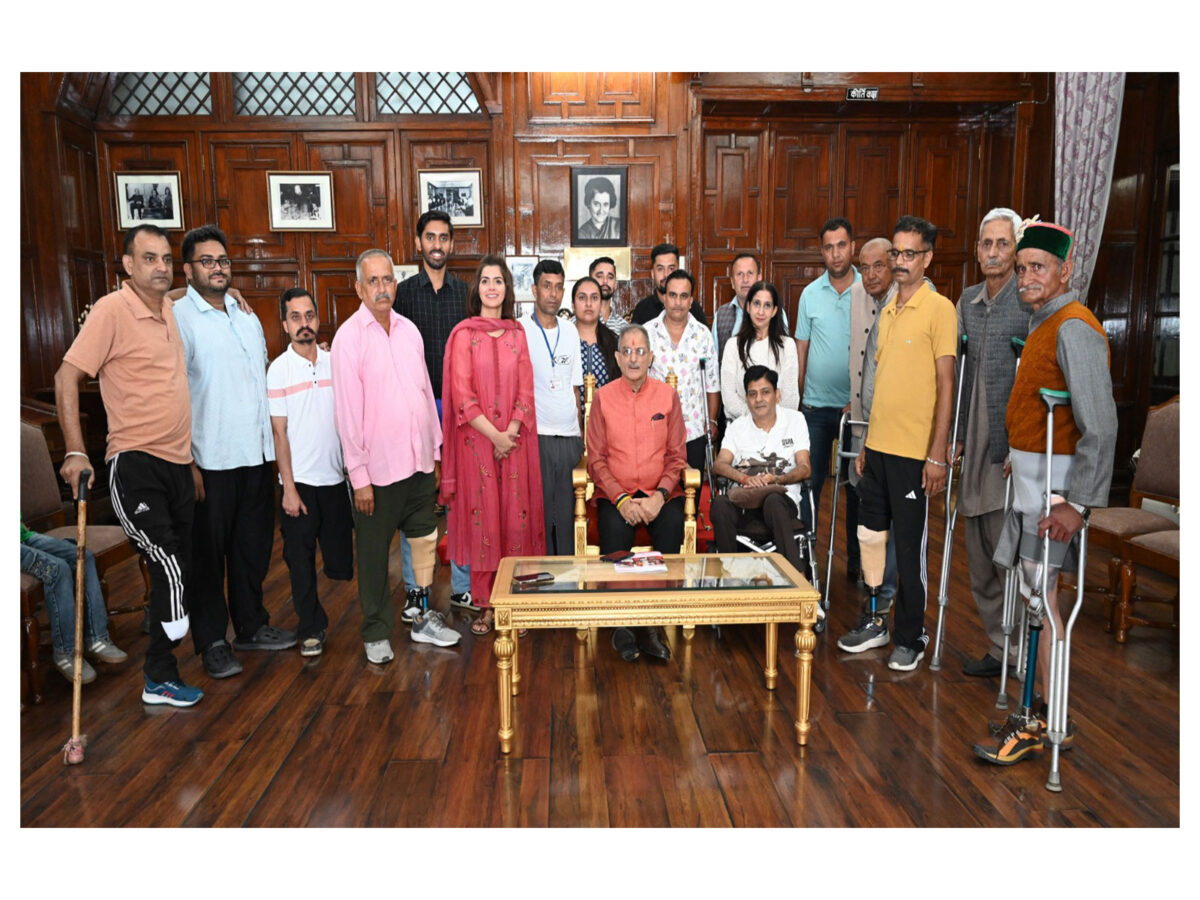
A recent artificial limb distribution camp in Shimla, Himachal Pradesh has provided prosthetic limbs to 15 beneficiaries, highlighting the continuing importance of local partnerships in improving mobility and independence for people with physical disabilities.
According to The Times of India, Himachal Pradesh Governor Kavinder Gupta inaugurated the camp at Lok Bhavan, Shimla, on June 30, 2026. The initiative was organised by ACT Humane in collaboration with the Himachal Pradesh State Red Cross Society.
The beneficiaries came from several districts of Himachal Pradesh, including Una, Kangra, Rohru, Shimla and Sirmaur. Reports said they had been identified through a registration and assessment camp held at the State Red Cross building on June 4, 2026, before receiving artificial limbs at the Shimla event.
For the prosthetics and orthotics sector in India, the event is a reminder that access to prosthetic care often depends on more than clinical skill alone. Outreach, identification, assessment, funding, device fitting and follow-up must work together if beneficiaries are to receive meaningful support.
Artificial limb distribution camps play an important role in reaching people who may otherwise struggle to access services because of cost, distance, awareness gaps or limited local rehabilitation infrastructure. This is especially relevant in hilly states such as Himachal Pradesh, where geography can make travel to specialist centres difficult for many patients.
However, the success of such initiatives should not be measured only by the number of limbs distributed. A prosthetic limb requires proper assessment, socket fitting, alignment, gait training, user education, maintenance and follow-up. Without these steps, a device may be uncomfortable, underused or eventually abandoned.
The Shimla camp therefore points to a wider opportunity for India’s rehabilitation ecosystem. Local government institutions, Red Cross branches, NGOs, prosthetic providers and clinical rehabilitation teams can work together to create more structured pathways for people with limb loss. This includes identifying beneficiaries earlier, ensuring appropriate prescription, supporting follow-up visits and connecting users with physiotherapy and community-based rehabilitation services where needed.
The involvement of the Himachal Pradesh State Red Cross Society is also significant. Red Cross networks often have local reach and community trust, which can help locate beneficiaries and coordinate outreach. NGO partners such as ACT Humane can further support awareness, mobilisation and service delivery, particularly when working with local administration and clinical providers.
For beneficiaries, receiving a prosthetic limb can mean more than improved walking. It can support education, employment, social participation, independence and confidence. But long-term outcomes depend on whether the device remains comfortable, functional and repairable over time.
India has a large and continuing need for prosthetic, orthotic and assistive technology services. Events such as the Shimla camp show the value of community-level action, but they also underline the need for sustained rehabilitation systems that go beyond one-day distribution. The next step is to ensure that every beneficiary has access to review, adjustment and long-term support after receiving a limb.
For Bharat CPO readers, the Shimla initiative is another example of how state institutions, charities and rehabilitation providers can collaborate to improve access. The challenge is to turn these camps into connected care pathways so that artificial limbs lead to lasting mobility, dignity and participation.
- Times of India: Governor Kavinder Gupta distributes artificial limbs to 15 beneficiaries in Shimla
- UNI: Himachal Governor distributes artificial limbs to 15 beneficiaries
- The News Mill: Shimla Governor distributes artificial limbs to 15 persons with disabilities
- Himachal Pradesh State Red Cross Society
- Indian Red Cross Society
- WHO: Assistive technology
- WHO: Rehabilitation
- International Society for Prosthetics and Orthotics