
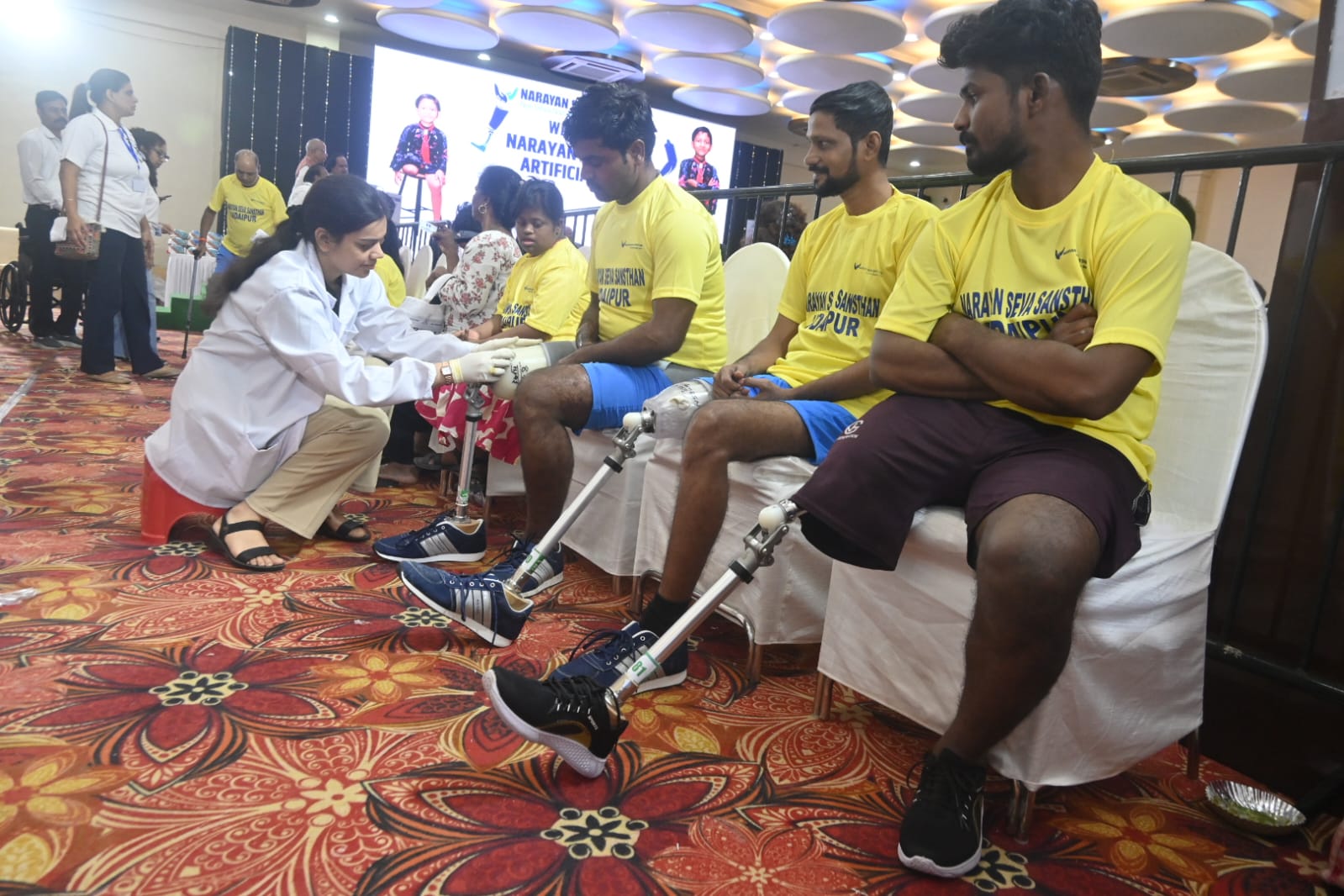
A prosthetic limb distribution initiative in Tripura has provided 154 prosthetic limbs to 104 differently abled individuals, according to a report by Tripura Star News.
The initiative is a strong reminder of the life-changing role that prosthetic and orthotic services can play in improving mobility, confidence and independence for persons with limb loss or limb difference.
For the Indian rehabilitation sector, the story is significant not only because of the number of devices distributed, but because it highlights the continuing demand for accessible prosthetic care in the North East, where geography, travel distance and specialist service availability can create barriers for many families.
More Than a Device: Restoring Participation
A prosthetic limb is not simply a piece of equipment. For many people, it can mean the ability to walk more independently, return to school, resume work, participate in family activities or move with greater confidence in the community.
The distribution of 154 prosthetic limbs to 104 beneficiaries suggests that some individuals may have required more than one limb or device, reflecting the complexity of real-world prosthetic needs. Each beneficiary’s requirement depends on the level of amputation, physical condition, lifestyle, environment and rehabilitation goals.
This is why prosthetic provision should always be understood as part of a wider rehabilitation pathway. Assessment, fitting, alignment, gait training, follow-up, repair and replacement are all essential if a prosthetic limb is to deliver long-term benefit.
Why Tripura and the North East Matter
Tripura’s inclusion in prosthetic and assistive device outreach is important. India’s North East has unique access challenges, including hilly terrain, remote communities, transport barriers and uneven availability of specialist rehabilitation services.
For persons with disabilities, these barriers can make it difficult to reach hospitals, prosthetic workshops, physiotherapy centres or government-supported assistive device programmes. Camp-based distribution and outreach initiatives can therefore play an important role in identifying people who need support and connecting them with mobility solutions.
However, one-time distribution is only the beginning. Long-term success depends on whether beneficiaries can access follow-up adjustments, replacement parts, socket modifications and rehabilitation training after receiving the limb.
Prosthetic Access and the Role of Public Support
India has several public-sector and social support mechanisms aimed at improving access to assistive devices. The Department of Empowerment of Persons with Disabilities under the Ministry of Social Justice and Empowerment plays a central role in disability policy and empowerment programmes.
The Artificial Limbs Manufacturing Corporation of India has also been a major national institution in the supply of assistive devices, including prosthetic and orthotic products, mobility aids and rehabilitation devices. Programmes such as the ADIP Scheme support the provision of aids and appliances to persons with disabilities who meet eligibility criteria.
Stories such as the Tripura prosthetic limb initiative show why these programmes remain essential. In many regions, the cost of prosthetic limbs, travel for fitting, and lack of nearby technical services can prevent people from receiving timely care.
The Clinical Importance of Proper Fit
While prosthetic limb distribution is an important achievement, the clinical quality of fit and follow-up is equally important. A poorly fitted prosthesis can cause pain, skin breakdown, instability, back pain or device abandonment. A well-fitted prosthesis, combined with training and review, can improve comfort, function and confidence.
For below-knee and above-knee amputees, socket comfort is often the most important factor in daily use. Alignment, suspension, foot selection, knee selection and user training all influence the outcome.
For children, prosthetic care is even more demanding because growth requires regular review and replacement. For working adults, durability and suitability for the local environment are critical. For elderly users, balance, safety and ease of use may be the main priorities.
This is why prosthetic outreach should involve qualified prosthetists and orthotists, physiotherapists, rehabilitation doctors, technicians and community workers wherever possible.
Rehabilitation Must Follow Distribution
The World Health Organization has emphasised that assistive technology is essential for independence, participation and dignity. But assistive technology is most effective when combined with proper training and long-term support.
For prosthetic limb users, rehabilitation may include:
- Learning to stand and walk safely
- Strengthening and balance exercises
- Gait training
- Skin care education
- Stump care and hygiene
- Training in device use and maintenance
- Follow-up for pain, pressure areas or fit problems
- Replacement planning as the limb wears out or the user’s needs change
These steps are especially important in rural and semi-urban areas, where beneficiaries may not easily return to a prosthetic centre if problems arise.
A Positive Step for Disability Inclusion
The provision of 154 prosthetic limbs to 104 differently abled individuals in Tripura is a positive step toward improving mobility inclusion. It reflects the impact that targeted assistive device programmes can have when they reach people who may otherwise face long waits or financial barriers.
For Bharat CPO, the key message is that India needs both scale and service quality. Distribution numbers are important, but the ultimate measure of success is whether beneficiaries can use their prosthetic limbs comfortably and confidently in daily life.
As India continues to expand access to rehabilitation and assistive technology, initiatives in states such as Tripura should be supported with strong follow-up systems, trained professionals, repair pathways and local rehabilitation capacity.
Building Sustainable Prosthetic Services
The Tripura story should encourage wider discussion about how to strengthen prosthetic and orthotic services across underserved regions of India.
Important priorities include:
- Expanding access to qualified prosthetists and orthotists
- Supporting district-level rehabilitation services
- Creating referral links between hospitals, camps and prosthetic centres
- Ensuring follow-up after device distribution
- Improving local repair and maintenance access
- Supporting children with regular replacement as they grow
- Integrating prosthetic care with livelihood, education and social inclusion programmes
A prosthetic limb can transform a person’s life, but sustainable impact requires a system around the device.
From Mobility to Independence
The Tripura initiative demonstrates the human value of prosthetic care. For 104 beneficiaries, receiving a prosthetic limb may open new possibilities for movement, independence and participation.
For India’s O&P sector, it is also a reminder that assistive device access remains a national priority. From major cities to remote districts, every person who needs a prosthesis should have access not only to a limb, but to proper assessment, fitting, training and follow-up care.
When prosthetic services are delivered well, they do more than restore mobility. They restore opportunity.
- Tripura Star News: 154 Prosthetic Limbs Transform the Lives of 104 Differently Abled Individuals
- Department of Empowerment of Persons with Disabilities
- Ministry of Social Justice and Empowerment
- ADIP Scheme
- Artificial Limbs Manufacturing Corporation of India
- WHO Assistive Technology Fact Sheet
- Rehabilitation Council of India
- National Institute for Locomotor Disabilities